Commercial Cleaning Packages for Marylebone Shops
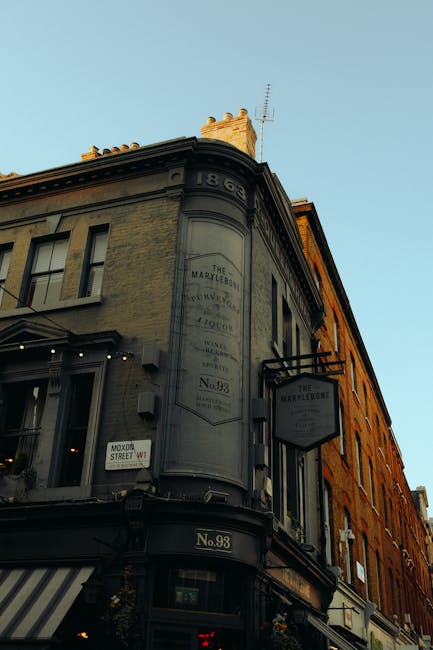
Running a shop in Marylebone is not the same as running one anywhere else in London. Footfall changes through the day, customers notice everything, and your floors, glass, counters, fitting rooms, and stockroom can go from tidy to tired faster than you think. That is exactly why Commercial Cleaning Packages for Marylebone Shops matter: they give you a clear, dependable way to keep your space presentable, hygienic, and ready for trade without scrambling for a one-off fix every time something slips.
In practice, a good package is less about "cleaning" in the abstract and more about keeping the customer experience consistent. The door handle feels clean. The entrance looks sharp. The air smells fresh rather than stale. And that quiet, professional finish makes a real difference in a shopping area where details count. This guide walks through how these packages work, what they usually include, how to choose the right level of service, and the mistakes worth avoiding.
To be fair, not every shop needs the same thing. A boutique, a beauty retailer, a convenience store, and a small luxury showroom all have different cleaning pressures. So let's break it down properly.
Why Commercial Cleaning Packages for Marylebone Shops Matters
Marylebone shops operate in a part of London where presentation is part of the brand. Whether your shop sits near Marylebone High Street, tucked beside a side road, or closer to a busier commuter route, people form an opinion in seconds. Smudged glass, dusty shelving, marked floors, or a neglected stockroom can quietly chip away at trust. Customers may not say anything, but they notice. Always.
A package-based approach helps because it turns cleaning from a reactive chore into a managed service. Instead of waiting until something looks bad, you schedule the work that keeps standards steady. That is especially useful for smaller shops where staff already have a lot to juggle. Serving customers, restocking, handling deliveries, chasing admin, and then trying to clean properly at the end of the day? It is a lot.
Commercial cleaning packages also support consistency. If your team changes shifts, or trading gets busy, the standard does not drift as easily when there is a regular plan in place. The cleaner knows what matters most in your space. The owner knows what is covered. And the shop itself feels looked after, which is really the point.
There is also a practical side. In a busy retail environment, grime builds up in predictable places: entrance mats, payment counters, mirrors, shelving edges, toilets, staff areas, and high-touch points like handles and switches. If those areas are left too long, they take longer to restore and may need deeper work later. A well-structured package usually prevents that spiral.
Key point: the right cleaning package is not just about appearances. It protects your shop's atmosphere, reduces stress, and helps preserve the condition of fittings and finishes over time.
How Commercial Cleaning Packages for Marylebone Shops Works
At a simple level, a commercial cleaning package is a service plan built around the needs of your shop. It usually starts with an assessment of the premises, the trading pattern, the materials in use, and any problem areas. Then the cleaner or cleaning company proposes a schedule and scope of work. That might mean daily touchpoint cleaning, weekly floor care, fortnightly deep cleaning, or a mixed package that includes window cleaning or carpet maintenance.
For many Marylebone retailers, the package is shaped around opening hours. You might want cleaning before the first customer arrives, after closing, or at quieter windows during the day. In some shops, especially those with narrow frontages or premium displays, the work has to be done carefully and quietly. Nobody wants a vacuum roaring through the space while a customer is trying on something expensive.
What the package covers depends on the shop type, but the structure usually includes:
- routine dusting and surface wipe-downs
- floor vacuuming, sweeping, and mopping
- high-touch point sanitising
- washroom cleaning, if applicable
- window and glass cleaning
- bin emptying and waste handling
- deeper periodic work such as carpet or upholstery care
- optional extras for stockrooms, staff rooms, or specialist surfaces
Some providers keep it very modular, which is useful if your shop only needs a few hours each week. Others offer more complete retail cleaning plans with set visit frequencies. There is no magic formula. The best package is the one that fits the way your shop actually operates, not the way a brochure imagines it does.
One thing people often miss: your package should be built around "cleaning outcomes", not just tasks. For example, "glass should be streak-free by opening" is clearer than "clean windows occasionally". Specific outcomes reduce confusion later. And yes, they save arguments. Little ones, mostly, but still.
Key Benefits and Practical Advantages
The obvious benefit is a cleaner shop. But that is only the surface of it.
1. Better first impressions
Retail is visual. If the entrance feels fresh, the shop looks more inviting. If the counters are clean and shelves are dust-free, products appear better cared for. That is particularly important in Marylebone, where customers often expect a polished, calm environment rather than a rushed one.
2. Less disruption to staff
When cleaning is planned, your team does not have to improvise. Staff can focus on customer service and sales rather than trying to mop around displays at the last minute. That small shift can make the working day feel calmer. Truth be told, people work better in a space that feels under control.
3. More predictable standards
Packages create routine. Routine creates consistency. If you want the same finish every week, it is much easier when the same tasks are completed on the same schedule by someone who knows the site.
4. Easier budget planning
Regular packages usually make spend easier to forecast than repeated ad hoc cleans. You may still need occasional one-off work, but the core service is planned. That helps with cash flow, especially for independent shops that keep a close eye on overheads.
5. Better care for fixtures and soft furnishings
Dust, grit, and spills are not just unattractive. Over time, they can wear surfaces down. Regular care on carpets, hard floors, upholstery, and window displays can help maintain the look and life of your interior finishes.
6. Lower risk of avoidable issues
Slips, sticky floors, unpleasant odours, and neglected bins are all avoidable problems in most shops. A package with the right frequency reduces those risks, especially at busy times.
Practical takeaway: a good package should make your shop easier to run, not just cleaner to look at. If it creates more admin, more uncertainty, or more chasing, it is probably not the right fit.
Who This Is For and When It Makes Sense
Commercial cleaning packages are useful for a wide range of Marylebone shops, but they are especially sensible if your premises have regular customer traffic, premium presentation standards, or mixed-use areas that staff cannot realistically keep on top of alone.
It makes particular sense for:
- Fashion and accessories shops that need clean mirrors, fitting areas, and dust-free displays
- Beauty and wellness retailers where hygiene and presentation are closely linked
- Convenience stores and small groceries with high footfall and constant touchpoints
- Independent boutiques that rely on atmosphere and brand image
- Specialist retailers with delicate fittings, glass, or polished surfaces
- Shops with staff toilets or back-of-house areas that need proper routine care
You may also need a package if your current system is patchy. Maybe staff do a quick tidy at close, but the deeper dusting gets skipped. Maybe the windows are cleaned only when they look bad. Maybe the stockroom quietly becomes a mess because nobody owns it. Happens all the time, honestly. A package brings structure to that muddle.
It is also worth considering if your shop is changing seasonally. In winter, wet foot traffic and muddy marks increase. In spring and summer, dust, pollen, and more frequent deliveries may change the cleaning pattern. A flexible package can adjust to those rhythms without needing a full service redesign every time.
If you are unsure whether your site needs standard retail cleaning or something more specialised, a short site walk-through usually makes it obvious. You will notice where the build-up happens. The front door, the till area, the baseboards, the corners. It is rarely mysterious once you actually look.
Step-by-Step Guidance
Choosing the right package gets much easier if you approach it in a simple order. No need for guesswork.
1. Map your cleaning pressure points
Walk through the shop as if you were a customer. Then walk through it as if you were responsible for opening, trading, and closing it. Note the areas that get dirty fastest, smell stale first, or look untidy quickest. That usually gives you the real priorities.
2. Decide what must happen daily, weekly, and monthly
Not every task belongs on every visit. Some things need daily attention, like high-touch points and visible floors. Others can be weekly, such as deeper dusting or full washroom care. Monthly or periodic work may include carpet extraction, upholstery refresh, or detailed window cleaning. Keep it realistic.
3. Match the schedule to trading hours
Would an early morning clean work best? Or after closing? Some shops prefer a split schedule, especially when there is back-of-house access or deliveries to manage. Timing matters more than people think. A perfectly good clean delivered at the wrong time can still be disruptive.
4. Check exactly what is included
Ask for a written scope. Which surfaces? Which products? How often? Are washrooms included? What about staff kitchen areas, mirrors, window ledges, or entrance glass? Small gaps in scope are where disappointment starts.
5. Ask about materials and methods
Different surfaces need different care. Hard floors, natural stone, glass, and upholstery all behave differently. A proper package should use suitable methods and products for the finishes in your shop. You do not want a generic one-size-fits-all approach rubbing the wrong way against a sensitive surface.
6. Build in a review point
After a few weeks, review the service. Is the cleaning strong where it matters? Are there repeated misses? Is the time allocated right? A package should be adjustable. If it is not, you may be paying for a rigid routine rather than a useful service.
7. Keep communication simple
Nominate one person on your side and one on the cleaning side. Small issues get resolved faster when there is a clear route for feedback. Otherwise, the same note gets passed around and somehow nothing changes. Classic.
Expert Tips for Better Results
Over time, the best results usually come from small decisions rather than dramatic ones. Here are the things that tend to matter most.
Prioritise the customer-facing zones first. Front-of-house areas do the heaviest visual lifting, so do not let the back areas quietly consume all the budget. If the first three metres from the door feel clean and well kept, the whole shop benefits.
Use seasonal tweaks. In wetter months, entrance mats and floor care need more attention. In warmer months, odour control and glass cleanliness become more noticeable. A package that flexes with the season feels far more polished.
Do not ignore the stockroom. It is tempting to treat the stockroom as a less important space. Yet clutter, dust, and poor organisation back there often lead to slower stock handling and more wear on packaging and shelving. Not glamorous, but important.
Ask for a method statement if the work is more complex. For larger or more sensitive sites, it helps to know how the cleaning will be done, particularly around delicate displays or specialist surfaces. This is not overkill. It is sensible.
Pair regular cleaning with occasional deep cleaning. A maintenance plan keeps things under control, while periodic deep work resets areas that see heavy use. The combination is often far more effective than relying on routine alone.
Watch the edges. Corners, skirting boards, behind counters, under display units - these spots tell the truth about how well a shop is maintained. A quick pass there can lift the whole feel of the place. Little detail, big effect.
Be honest about your budget. A smaller package that is done properly is better than an ambitious package that gets trimmed, skipped, or rushed. Better to do fewer things well.
Common Mistakes to Avoid
When shops buy cleaning services in a hurry, a few recurring mistakes pop up. They are easy to make, which is why they are worth naming plainly.
- Choosing on price alone. Cheap can be expensive if the result is missed work, poor communication, or constant re-cleans.
- Not defining the scope clearly. If nobody agrees what "clean" means for your shop, you will almost certainly end up disappointed.
- Ignoring opening hours. A clean that clashes with trading creates friction for staff and customers.
- Forgetting the hidden areas. Stockrooms, toilets, staff spaces, and corners matter more than many people expect.
- Skipping reviews. A package that is never checked can drift away from what you actually need.
- Assuming every surface is treated the same. Different materials need different methods. One careless approach can leave marks or dull finishes.
- Leaving waste and recycling vague. Bin handling, packaging waste, and general disposal should be discussed clearly from the start.
A smaller but common issue is over-ordering. Some retailers buy a package with too many extras because it sounds impressive, then half of it goes unused. That is not clever, just noisy paperwork. It is better to build in what you truly need, then add more later if the site proves it.
Tools, Resources and Recommendations
You do not need fancy equipment to run a good cleaning package, but the right tools and information help a lot. In a retail setting, practicality beats gimmicks every time.
Useful tools often include:
- microfibre cloths for dust and surfaces
- appropriate floor mops or vacuum tools for the flooring type
- safe, surface-appropriate cleaning solutions
- glass and mirror cleaning equipment for a polished finish
- checklists for opening, closing, and periodic tasks
- record sheets for jobs that need tracking
From a management point of view, a simple service log can be very helpful. It does not have to be complicated. A basic record of what was cleaned, when, and any issues spotted is often enough to spot patterns before they become problems. If a bin area keeps causing trouble every Friday, for example, you will know where to adjust.
If you are comparing providers, it helps to look beyond the headline promises. Ask how they handle missed tasks, substitution staff, site access, and service changes. You can also review practical pages on commercial cleaning and regular cleaning to understand how maintenance-based services are typically structured.
For shops with fabric seating, display seating, or soft interiors, it may also make sense to include upholstery cleaning or, where flooring needs extra attention, commercial carpet cleaning. Those services are not always essential, but in the right shop they make a visible difference.
Law, Compliance, Standards, or Best Practice
Cleaning a shop is not just about presentation. There are also practical health, safety, and workplace responsibilities to think about. The exact obligations vary depending on the premises and what is stored or sold there, so this section should be treated as general best practice rather than legal advice.
At a minimum, shop operators should think about:
- slip and trip prevention on wet or recently cleaned floors
- safe storage and use of cleaning products
- clear procedures for waste removal
- staff awareness of hazards during cleaning
- access control for cleaning teams
- recording any incidents or near misses
It also helps to make sure your cleaning provider carries suitable insurance and follows sensible safety procedures. If a cleaner is working before opening hours, for instance, the process for alarms, keys, and access should be agreed in advance. That sounds obvious, but confusion at the door at 6:30 a.m. is not anyone's favourite kind of drama.
For general reassurance, you may want to review health and safety policy, insurance and safety, and terms and conditions so you understand how a provider frames responsibilities, site access, and service expectations. If sustainability matters to your shop, recycling and sustainability may also be relevant when discussing waste handling and product choices.
Good practice in this area is straightforward: keep things documented, keep instructions clear, and do not leave safety assumptions unstated. A tidy shop should also be a safe one.
Options, Methods, or Comparison Table
Not every shop needs the same kind of package. Some need regular light maintenance, others need a mixed model with occasional deep work. Here is a simple comparison to help you weigh the options.
| Package type | Best for | Typical focus | Pros | Watch-outs |
|---|---|---|---|---|
| Basic maintenance package | Small shops with lighter footfall | Dusting, floors, bins, touchpoints | Affordable, simple, easy to schedule | May not cover deeper cleaning needs |
| Standard retail package | Busy shops needing regular care | Daily/weekly routine plus washroom and glass care | Balanced coverage, strong presentation | Needs clear scope to avoid missed tasks |
| Enhanced package with add-ons | Shops with premium interiors or varied surfaces | Routine cleaning plus carpets, upholstery, or hard-floor care | More complete finish, better long-term upkeep | Can become costly if over-specified |
| Flexible mixed package | Seasonal or changing retail environments | Core routine plus periodic extras as needed | Adaptable, sensible for evolving trade | Needs good communication and review |
If you are deciding between a basic and a more complete package, ask a simple question: what would make the biggest visible difference to customers this week? Often the answer is not "everything". It is the few things people actually see and touch.
Case Study or Real-World Example
Here is a realistic example from a typical Marylebone-style retail site, without dressing it up too much.
A small independent shop with a smart front window, polished shelving, and a compact stockroom was finding that the entrance looked tired by midweek. Dust collected along skirting boards, fingerprints appeared on the glass near the door handle, and the back area gradually became cluttered. Staff were doing what they could, but the team was busy and the after-hours clean was never quite enough.
The solution was a simple commercial cleaning package built around the shop's routine. High-touch areas were cleaned more frequently, the entrance and glass got a better cadence of attention, and the stockroom was included in a lighter but regular rotation. A deeper floor care visit was added periodically. Nothing dramatic. Just a sensible plan.
What changed was not only the appearance of the shop but the feel of the day-to-day routine. Staff stopped spending the last ten minutes of closing time doing panic-cleaning. The front of house looked more reliable. And the owner had one less thing to chase every week. A very ordinary fix, really, but that is often what works best.
That kind of result is common when the package matches the premises rather than forcing the premises to fit the package. Simple, but easy to get wrong.
Practical Checklist
Use this checklist when reviewing or setting up a cleaning package for your shop.
- Confirm what type of shop you run and which areas need the most attention
- List your customer-facing zones, back-of-house spaces, and any washrooms
- Identify daily, weekly, and periodic tasks separately
- Decide when cleaning should happen to avoid disrupting trade
- Ask exactly which surfaces, fixtures, and fittings are included
- Check what products and methods will be used on delicate materials
- Clarify waste removal and recycling responsibilities
- Review health, safety, and insurance arrangements
- Set a review date after the first few visits
- Keep one person responsible for communication on both sides
- Make sure the package can flex during busier seasons
- Compare value, not just price
If you can tick most of those off, you are in a much better position. If a few boxes are still unclear, sort them before you sign anything. Saves hassle later. More than a little.
Conclusion
Commercial Cleaning Packages for Marylebone Shops are really about control, consistency, and confidence. They help your retail space stay clean enough to feel inviting, safe enough to work smoothly, and polished enough to reflect the standard you want people to associate with your business. For a busy shop, that is not a luxury. It is part of the job.
The best package will fit your trading hours, your materials, your footfall, and your budget without creating extra noise in your day. Keep the scope clear, review it regularly, and choose practical coverage over vague promises. That approach almost always wins.
If you are comparing options, start with the areas customers see first, then build out from there. That is usually where the value is. And if the whole process has felt a bit messy up to now, that is fine. Most good cleaning plans start with a straightforward conversation and a proper look around the site.
Get a free quote today and see how much you can save.
There is something reassuring about a shop that simply feels looked after. Not flashy. Just steady, tidy, and ready for the day.
Frequently Asked Questions
What do commercial cleaning packages for Marylebone shops usually include?
Most packages include routine floor care, dusting, surface cleaning, bin emptying, high-touch point sanitising, and sometimes washroom or window cleaning. Some also add carpet, upholstery, or hard-floor care depending on the shop.
How often should a shop in Marylebone be cleaned?
That depends on footfall, layout, and trading style. A busy retail shop may need daily cleaning support, while a smaller or quieter site may only need a few visits each week plus periodic deep cleaning.
Are cleaning packages better than one-off cleans?
They are different tools. One-off cleans are useful for a reset, but packages are better for maintaining a consistent standard over time. For most active shops, a package is the more practical long-term option.
Can the cleaning schedule be arranged outside trading hours?
Yes, and in many shops that is the preferred approach. Early morning or after-hours cleaning usually reduces disruption and helps the shop open looking ready.
What should I ask before choosing a provider?
Ask what is included, how often tasks are completed, what products are used, how access is managed, and how issues are handled if something is missed. Clear questions now save confusion later.
Is window cleaning usually part of a commercial package?
Sometimes yes, sometimes no. It often depends on how large the glass frontage is and how visible it is from the street. For many Marylebone shops, it is worth including because front windows matter so much.
How do I know if my shop needs deep cleaning as well?
If the shop looks clean on the surface but still feels dull, sticky, or tired in the corners, a deeper clean may help. Floors, skirting boards, upholstery, and hidden areas often need periodic attention beyond routine maintenance.
What if my shop has delicate finishes or premium displays?
Then you should be especially clear about methods and products. Soft cloths, suitable solutions, and careful handling matter more in shops with polished surfaces, glass, or specialist materials.
Will a cleaning package help reduce staff workload?
Usually yes. It can remove repetitive tasks from the team's closing routine and free staff to focus on sales, service, and stock handling rather than scrambling for a quick tidy.
Do cleaning packages include waste and recycling support?
They often can, but it should be confirmed in advance. Waste handling, bin emptying, and recycling responsibilities need to be clearly agreed so nothing is left vague.
How do I compare prices fairly?
Do not compare headline numbers alone. Compare what is included, how often visits happen, whether extras are covered, and how responsive the service is. The cheapest quote is not always the best value.
Can a package be adjusted if my shop gets busier?
Yes, and it should be. Good cleaning arrangements are flexible enough to increase frequency, add a deeper visit, or shift the scope if your trading pattern changes.
What is the biggest mistake shop owners make with cleaning?
Usually it is leaving the scope too vague. If no one agrees on what "clean" actually means, you end up with inconsistent results and avoidable frustration.