Fines for Illegal Upholstery Disposal in Marylebone: What You Need to Know Before You Leave a Sofa, Chair, or Mattress Behind
If you are dealing with an old sofa, armchair, footstool, or other bulky upholstered item in Marylebone, it can be tempting to leave it where it is and hope for the best. Truth be told, that is exactly how people end up facing fines for illegal upholstery disposal in Marylebone. The rules around rubbish and bulky waste are not something to guess at, especially in a busy part of London where shared entrances, narrow streets, and commuter footfall make fly-tipping more obvious. This guide explains what counts as illegal disposal, how penalties are usually handled, and the safest ways to get rid of upholstery without creating a costly headache.
We will also look at practical alternatives, common mistakes, and the small but important steps that help you stay compliant. If you are clearing a flat, replacing furniture, or managing waste for a property or business, this is the kind of topic that is easier to get right the first time.
Why Fines for Illegal Upholstery Disposal in Marylebone Matters
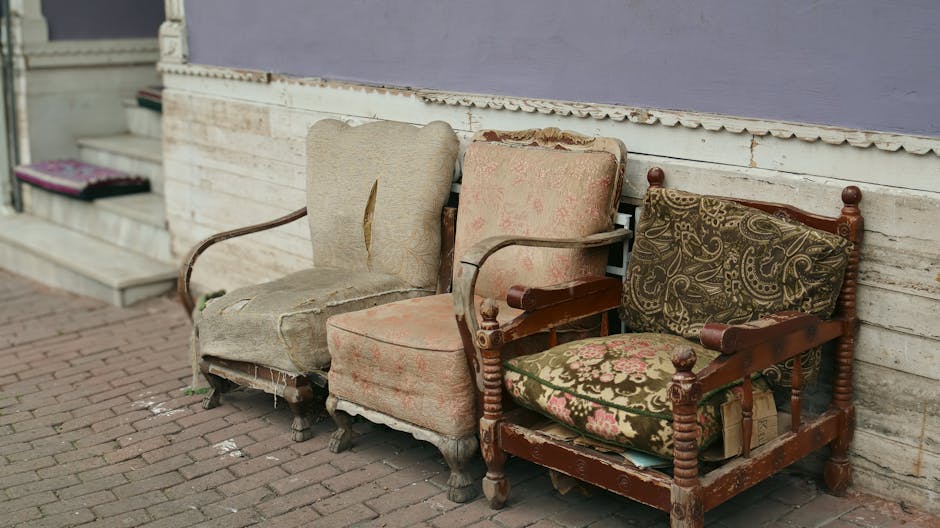
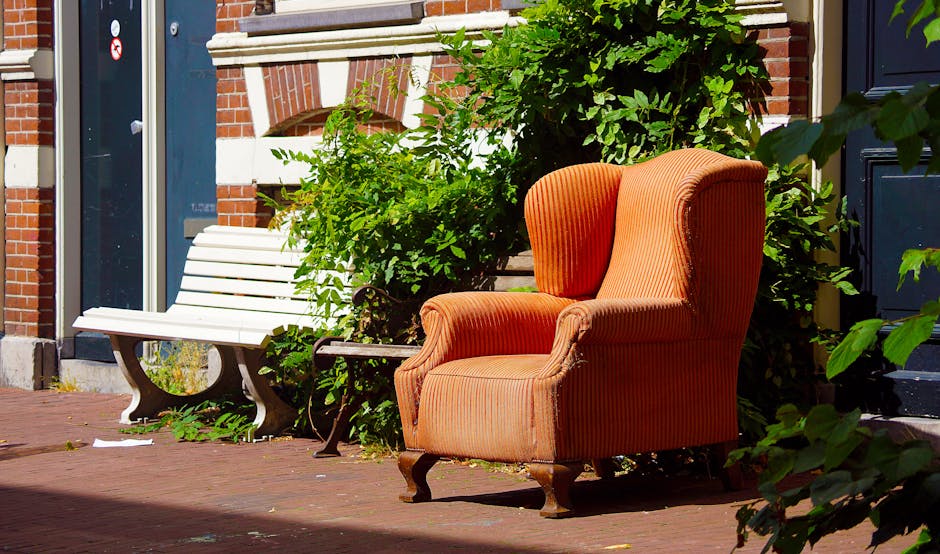
Upholstered furniture is awkward waste. It is bulky, often heavy, and not always something a person can move on their own without a van, a lift, or a second pair of hands. In a place like Marylebone, where pavements can be busy and mews streets or residential blocks may have strict access rules, illegal disposal tends to stand out quickly. A sofa left beside a bin store or on the kerb can create an instant nuisance, and if it is not removed properly, it can be treated as fly-tipping or unlawful dumping.
The reason fines matter is simple: the cost of doing nothing can be much higher than the cost of disposing correctly. Beyond the financial penalty, there is the stress of chasing notices, the potential embarrassment if waste is linked to your address, and the possibility of nuisance for neighbours or building managers. Nobody wants a faded two-seater sofa turning into the thing everyone on the street remembers. It happens, though.
There is also a wider local impact. Upholstery left on public land can block access, attract further dumping, and make an area look neglected. In shared housing or apartment buildings, it can also trigger complaints from managing agents or residents. If you manage property, the reputational side matters almost as much as the penalty itself.
Expert summary: The safest approach is to treat upholstered items as bulky waste that needs a proper disposal route, not as ordinary rubbish. If in doubt, plan ahead, document your collection method, and keep evidence of responsible removal.
For households, landlords, and businesses alike, the main lesson is straightforward: the easiest way to avoid a fine is to avoid the messy middle altogether. If your item needs lifting, sorting, or post-clearance cleaning, services such as house clearance and upholstery cleaning can help you clear space properly rather than leaving the job half done.
How Fines for Illegal Upholstery Disposal in Marylebone Works
In practical terms, illegal disposal usually becomes an issue when upholstered furniture is abandoned in a place where it should not be: on the pavement, beside communal bins, in a doorway, in a basement, or in an alley. The exact enforcement process can vary, but the pattern is familiar. Someone reports the waste, an officer or contractor reviews it, and if the item appears to have been dumped rather than placed for authorised collection, a penalty process may follow.
What gets people into trouble is often not a dramatic criminal act. More often, it is a small lapse. A tenant leaves an old sofa outside after moving out. A flat owner puts a chair in the corridor thinking it will be collected. A small business replaces seating and leaves the old pieces at the rear of the building. Then the weather shifts, the item gets dragged or broken apart, and suddenly it looks even more like fly-tipping. It is one of those annoying situations that grows legs when nobody is watching.
Fines can depend on how the disposal is classed, who is responsible, and whether the waste is linked to an individual, property, or business. The exact amounts and enforcement steps are not something to assume from hearsay, so treat any online claim with caution unless it is backed by the relevant local authority or legal guidance. In everyday terms, though, the risk is real enough: an improperly dumped sofa can lead to a fixed penalty, further enforcement, or additional clean-up costs.
It is also important to remember that responsibility may sit with the person who dumped the item, but in some cases the occupier, landlord, or managing agent may still have practical problems to deal with. That is why records matter. Receipts, collection notes, photos, and service confirmations can help show that the item was removed through a legitimate route.
For people arranging a replacement after refurbishment, it is often sensible to pair furniture removal with a deeper refresh. A heavy item being dragged through a hallway can mark the flooring or shed debris, and that is where services like deep cleaning, hard floor cleaning, or carpet cleaning come into play.
Key Benefits and Practical Advantages
Doing upholstery disposal properly is not just about avoiding a penalty. It gives you a cleaner, calmer, more predictable result, and in a busy London neighbourhood, that is worth quite a lot.
- Reduced legal risk: Proper disposal lowers the chance of enforcement action, complaints, and avoidable costs.
- Less disruption: A planned collection is easier on neighbours, building staff, and your own schedule.
- Better property presentation: No one wants a corridor that smells faintly of damp fabric and old foam on moving day.
- Cleaner handovers: This is especially useful for landlords, tenants, Airbnb hosts, and managing agents.
- More responsible waste handling: Upholstery can often be assessed for reuse, recycling, or specialist disposal rather than simply abandoned.
There is a practical side people sometimes overlook: once the bulky item is gone, you can actually see the room properly. You notice the marks behind the sofa, the dust line around the skirting, the pet hair in the corners. That is not a bad thing. It just means the next step is clearer.
If your furniture removal is tied to a bigger clear-out, combining it with move-out cleaning or end of tenancy cleaning can save time and reduce the chance of leaving behind anything that causes a dispute. For ongoing premises management, regular cleaning can also help prevent build-up that makes clear-outs harder later.
Who This Is For and When It Makes Sense
This topic matters to more people than you might expect. It is not only for someone who has just bought a new sofa and needs the old one gone by Friday. The risk of illegal disposal touches several common situations in Marylebone.
- Homeowners: Replacing worn furniture, clearing out storage, or handling an inherited property.
- Tenants: Moving out and needing to avoid leaving bulky items behind by mistake.
- Landlords and letting agents: Clearing damaged or abandoned furniture between occupancies.
- Airbnb hosts: Refreshing a short-let property after wear and tear builds up.
- Offices and commercial sites: Replacing waiting-room seating, soft furnishings, or lounge furniture.
- Block managers and concierge teams: Dealing with items left in communal areas where responsibility can quickly become unclear.
When does it make sense to act? Usually sooner than later. If the upholstery is no longer usable, if access to the item will become harder after a move, or if a building has strict collection windows, do not wait. The closer you get to a deadline, the more likely you are to make a rushed decision. And rushed decisions, let's face it, are where penalties begin.
For property handovers, combining proper disposal with one-off cleaning or house cleaning can be a sensible way to leave the space ready for the next person. In commercial settings, commercial cleaning or office cleaning may be the better fit.
Step-by-Step Guidance
If you want to avoid fines for illegal upholstery disposal in Marylebone, the best approach is to make the process boring. Boring is good here. Boring means planned, documented, and compliant.
- Identify the item correctly. Is it upholstered, part-upholstered, or mixed-material? Sofas, armchairs, pouffes, dining chairs with padded seats, and some mattresses all need a considered disposal method.
- Check whether it can be reused or repaired. A small tear does not always mean the item is useless. If it can be passed on legally or refurbished, that may be the better route.
- Separate disposal from storage space. Do not leave the item in a communal hallway, outside a bin room, or on the pavement while you "think about it."
- Choose an authorised collection method. Use a legitimate bulky waste collection, a licensed clearance option, or a trusted removal service.
- Prepare access and lifting. Measure doorways, stairwells, and lifts. Upholstery is awkward in narrow Victorian-style layouts, which Marylebone certainly has plenty of.
- Keep proof. Save booking confirmations, photos, and any written collection notes.
- Clean the area afterwards. Once the item is gone, check for dust, scuffs, or loose fabric. A quick sweep or proper clean helps finish the job.
If the item has been in a room for years, the floor beneath it may look different from the surrounding area. You may notice that the pile on carpet has flattened or that sunlight has altered the fabric around it. That is when specialist treatment can help, especially if you are removing a sofa from a carpeted living room or a commercial waiting area.
In those cases, sofa cleaning, stain removal, and pet stain odour removal may be useful before replacement or just before a handover.
Expert Tips for Better Results
Here is where experience saves time. Most disposal problems are not caused by lack of effort; they are caused by small, preventable oversights.
- Book early. Bulky furniture collections can take longer to arrange than people expect, especially at busy times.
- Photograph the item before removal. If a dispute arises later, you will be glad you did.
- Ask how the item will be handled. Reuse, dismantling, and recycling all affect the disposal route.
- Protect common areas. Use covers or lifts if the item needs to pass through shared hallways.
- Be realistic about condition. If a chair is collapsing at the seams, do not assume someone else will take it off your hands for free.
A small but useful habit: label the item on the day it is collected, even if only in your own notes. It sounds a bit overcautious. Maybe it is. But the note you make at 8:40 in the morning is usually more reliable than a fuzzy memory at 8:40 at night.
If the property is being prepared for a new tenant or guest, consider pairing removal with move-in cleaning or Airbnb cleaning. For homes with a lot of soft furnishings, curtain cleaning and mattress cleaning can also make a noticeable difference.
Common Mistakes to Avoid
Most fines and enforcement problems come from familiar mistakes. The good news is that these are easy to avoid once you know what to look for.
- Leaving upholstery outside "temporarily". Temporary often turns into unattended, and that is where the problem starts.
- Assuming communal space is fine. It usually is not. Shared corridors and bin stores can still count as improper disposal if the item is dumped there.
- Mixing the wrong waste together. Upholstery stuffed with other rubbish can complicate collection and increase refusal risk.
- Skipping access checks. A sofa that cannot fit through the stairwell may get abandoned halfway through the job.
- Not keeping records. No proof, no peace of mind.
- Using the cheapest option without checking legitimacy. Cheap can become expensive very quickly if the waste is not handled properly.
A very common scenario is a tenant moving out on a Friday evening with a hallway full of boxes, a mattress leaning near the lift, and a sofa on the ground floor "just for now." By Monday morning, the item is gone or moved, nobody owns the decision, and suddenly the building manager is asking questions. It is a classic avoidable mess.
If you are already dealing with wear and tear caused by disposal or moving furniture, services such as rug cleaning or steam carpet cleaning can help reset the room afterwards.
Tools, Resources and Recommendations
You do not need a complicated toolkit to stay on the right side of the rules, but a few simple things help.
- Measuring tape: Useful for checking whether the furniture can be moved safely through doors and lifts.
- Protective gloves: Handy for lifting old fabric, staples, or damaged frames.
- Phone camera: Keep before-and-after photos and proof of collection.
- Strong bags or wrap: Good for loose cushions, covers, and detachable parts.
- Notebook or notes app: Keep disposal dates, booking details, and item descriptions.
For a responsible approach to property care, it also helps to use local pages that explain how a provider works and what standards they follow. You can review recycling and sustainability, check health and safety policy details, and look at insurance and safety information before booking any removal or cleaning support.
If you need a cleaner or clearer quote for a larger job, pricing and quotes can help you understand what to expect. And if you need to speak to the team about a specific removal or cleaning need, use the site's contact us page. Simple, really.
Law, Compliance, Standards, or Best Practice
While this article is not legal advice, the general principle is clear: waste should be disposed of lawfully, responsibly, and in line with local requirements. In the UK, illegal dumping and improper disposal can attract enforcement action, and upholstered items are no exception. The item itself may seem harmless, but the way it is left or handed over matters a great deal.
Best practice usually means following three basic rules:
- Use an authorised route. Choose a legitimate collection or clearance option rather than leaving waste in a public or shared area.
- Avoid obstructing others. Keep pathways, entrances, and access points clear.
- Retain evidence. If a collection is arranged, keep proof that the item was removed properly.
For property managers and businesses, the duty of care is especially relevant in practical terms. Even if the law is not being discussed in technical language, you still need a clear process for handling bulky waste, especially where staff, contractors, or tenants might all have different ideas about who is responsible.
In short: do not improvise. Use a defined method, keep records, and if the item is too large or awkward, treat it as a managed clearance job rather than a casual rubbish run.
Options, Methods, or Comparison Table
Not every disposal route is equally suitable. Some are cheaper. Some are easier. Some are simply safer for compliance. Here is a straightforward comparison to help you think it through.
| Option | Best for | Pros | Watch-outs |
|---|---|---|---|
| Local bulky waste collection | Single items or a small number of pieces | Usually straightforward and controlled | May need advance booking and correct presentation |
| House clearance | Whole rooms, multiple items, or full clear-outs | Efficient for bigger jobs; useful for move-outs | Needs a reputable provider and clear item list |
| Furniture reuse or donation | Items in good condition | Lower waste, possible second life for the item | Not suitable for damaged, unsanitary, or unsafe furniture |
| Private collection with cleaning support | Items linked to renovation or end-of-tenancy work | Convenient when combined with room reset | Check what is included and what is not |
In many real-life cases, the best answer is not one option alone, but a small sequence. For example: remove the sofa, vacuum the area, clean the carpet, and then assess whether the room needs a deeper refresh. If that sounds like a lot, well, it is a bit. But it is also much less painful than a penalty notice and a neighbour complaint.
Case Study or Real-World Example
Imagine a small flat in Marylebone where a tenant is leaving after several years. There is an old fabric sofa in the lounge, a worn armchair in the bedroom, and some loose cushions in storage. The tenant thinks about putting the sofa outside the building on the day of the move, but the building manager has already warned residents not to leave bulky waste in the entrance area.
Instead, the tenant arranges a proper removal, takes photos of the items, and keeps the booking confirmation. The sofa is collected, the room is vacuumed, and the carpet under the furniture is then treated because the patch has collected dust and a few marks over time. The tenant also books end of tenancy cleaning to make sure the property is ready for inspection.
Nothing dramatic happens. No angry note on the door. No awkward call from the managing agent. No fine. Just an unglamorous but solid result. That is the point. In practice, the best disposal story is usually the one nobody really notices.
A similar approach works for businesses too. A small office that replaces seating can combine clearance with commercial carpet cleaning or commercial cleaning so the space feels genuinely finished rather than half-cleared and half-forgotten.
Practical Checklist
Use this checklist before you move any upholstered item.
- Have you identified every upholstered item that needs removal?
- Have you checked whether any piece can be reused, cleaned, or repaired?
- Have you booked a lawful disposal or clearance route?
- Have you measured access points and checked the route out of the property?
- Have you cleared the item from communal areas immediately before collection?
- Have you taken photos for your own records?
- Have you saved any booking, invoice, or confirmation details?
- Have you planned for cleaning after removal if the room needs it?
- Have you told neighbours, tenants, or building management if the collection affects shared access?
- Have you confirmed who is responsible if the item belongs to a tenant, landlord, or business?
If you can tick most of those off, you are in a much safer place. If not, pause and fix the gaps before anything is left unattended.
Conclusion
Fines for illegal upholstery disposal in Marylebone are avoidable when you plan ahead, choose a proper collection route, and keep a little evidence of what you did. That is the practical truth. Upholstered items are bulky enough to cause trouble if they are left in the wrong place, but straightforward enough to handle correctly when you give the process some attention.
Whether you are a tenant, landlord, homeowner, or business owner, the same principle applies: do not let a sofa or chair become someone else's problem. Arrange the disposal, clear the space, and tidy up after the item is gone. It saves money, keeps people happy, and makes the whole property feel lighter. A room without clutter has a different kind of quiet to it, and you notice it straight away.
If you are preparing a property for handover, renovation, or everyday use again, it may help to combine disposal with services such as one-off cleaning, domestic cleaning, or after builders cleaning where appropriate. Small steps, done properly, make a big difference.
Get a free quote today and see how much you can save.
Frequently Asked Questions
What counts as illegal upholstery disposal in Marylebone?
It usually means leaving upholstered furniture where it is not permitted, such as on pavements, in communal hallways, beside bins, or in other shared spaces without an authorised collection. If the item is effectively abandoned rather than properly disposed of, it can trigger enforcement action.
Can I leave an old sofa outside my building for collection?
Only if that collection has been arranged through a proper route and you have followed the correct instructions. Leaving it outside without permission or without a confirmed pickup can still be treated as illegal dumping.
How much are the fines for illegal upholstery disposal in Marylebone?
The amount can vary depending on the circumstances, how the matter is enforced, and who is considered responsible. It is best not to rely on guessed figures. The safer approach is to avoid the situation entirely by using an authorised disposal method.
Who is responsible if a tenant leaves furniture behind?
That depends on the tenancy arrangement and the facts of the case. In practice, the tenant is often responsible for items they leave behind, but landlords and agents may still face the hassle of arranging removal if the matter is not handled properly.
Is upholstery treated differently from other bulky waste?
Yes, sometimes. Upholstery can be awkward because it is large, fabric-covered, and often mixed with foam, timber, metal, or synthetic materials. That makes proper disposal planning more important than with ordinary bagged rubbish.
Can I donate a sofa instead of disposing of it?
Yes, if it is in a good enough condition to be reused safely and legally. If it is damaged, unsanitary, or structurally weak, donation is usually not appropriate and a proper disposal route is better.
What should I do if I find dumped furniture near my property?
Do not move it in a way that creates more risk or confusion. Take photos, note the location, and report it through the proper local channel if needed. If it is affecting access or hygiene, contact the relevant building manager or service provider.
Do I need proof that a sofa was collected properly?
Yes, keeping proof is a very good idea. A confirmation email, invoice, photo, or collection note can help if anyone later asks what happened to the item.
Can a cleaning service help after furniture disposal?
Absolutely. Once the item is gone, services such as sofa cleaning, stain removal, or upholstery cleaning can help freshen the room or treat marks left behind.
What is the safest way to avoid a fine?
Use an authorised disposal or clearance route, avoid leaving items in shared or public spaces, and keep records of the collection. That combination solves most problems before they start.
Does Marylebone have extra challenges for bulky furniture disposal?
It often does, simply because of building layouts, traffic, shared entrances, and limited kerbside space. In other words, the area is not always friendly to spontaneous sofa adventures.
Should I combine disposal with a deeper property clean?
Often, yes. If furniture removal is part of a move-out, refurbishment, or tenancy handover, pairing it with move-out cleaning or deep cleaning can save time and help the property look properly finished.