Bulky Waste & Rug Disposal in Marylebone: Local Options
Posted on 02/06/2026
Bulky Waste & Rug Disposal in Marylebone: Local Options
If you live or work in Marylebone, bulky waste has a habit of turning up at the worst possible moment. A worn-out rug after a renovation, a broken armchair from a rental flat, an old mattress that never quite fits the lift again - it all adds up fast. And because Marylebone is busy, built-up, and often tight on storage, getting rid of large items is rarely as simple as putting a bag outside the door.
This guide to Bulky Waste & Rug Disposal in Marylebone: Local Options walks you through the practical choices, the common mistakes, and the sensible way to handle disposal without stress. You'll find a clear step-by-step process, what to check before booking a collection, and how to avoid the kind of last-minute mess that tends to happen in period flats and managed buildings. Truth be told, it's usually easier once you know the rules of the game.
Whether you are clearing out after a tenancy, replacing flooring, or just trying to get one very stubborn rug out of a top-floor flat, the right approach saves time, reduces risk, and keeps everything a lot tidier than a hurried drag through a communal hallway.
Why Bulky Waste & Rug Disposal in Marylebone: Local Options Matters
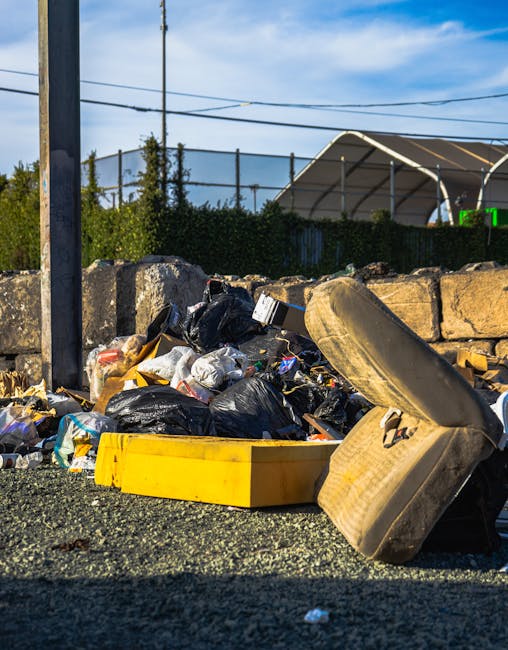
Bulky waste is not just "big rubbish." It usually means items that are too large, awkward, or heavy for normal household waste collections. Rugs sit in a slightly annoying middle ground: they are flexible, but they are still bulky, and they can be messy if they've been through years of foot traffic, pets, or renovation dust.
In Marylebone, this matters more than people expect. Space is limited. Access can be tight. Communal entrances are often shared. A rug left in the wrong place can block a hallway, cause complaints, or get in the way of cleaners, porters, or neighbours. And if you've ever tried carrying a rolled-up rug down a narrow staircase on a damp Tuesday evening, you already know it's not a glamorous job.
The local angle also matters because disposal choices affect convenience, cost, and compliance. A fast option may not be the cleanest one. A cheap option may not be the easiest if you live in a flat with no lift. So the real question is not just how do I get rid of this? It is which option fits my building, timing, and item type best?
For people managing homes, rentals, or offices, this links closely with other everyday maintenance tasks. If you're organising a larger refresh, you may also want to look at end of tenancy cleaning in Marylebone or domestic cleaning support so the space is ready once the bulky items are gone. A clean finish really does change how a room feels. Fresh, open, usable. Simple but effective.
How Bulky Waste & Rug Disposal in Marylebone: Local Options Works
At a practical level, most bulky waste and rug disposal journeys follow the same pattern: identify the item, decide whether it can be reused, select a disposal route, then arrange removal or drop-off. The details change depending on access, urgency, and the item's condition.
A rug that is still in decent shape may be suitable for reuse, donation, or resale. A damaged rug, on the other hand, may need disposal as bulky waste or mixed waste, depending on the material and local accepted options. The same thinking applies to sofas, beds, wardrobes, and other large household pieces.
In Marylebone, the most common practical routes are:
- Private bulky waste collection for fast, door-to-door removal.
- Specialist removal support when items are heavy, awkward, or part of a bigger clearance.
- Reuse or donation routes where the rug or furniture is still in usable condition.
- Managed building procedures where residents need to follow house rules for collection days, loading bays, or concierge arrangements.
Many people also combine rug disposal with a broader clear-out. That's common after decorating, moving, or changing furnishings in a flat or office. If the project is bigger than expected, it helps to understand the wider range of services available before making a decision. One item turns into three, then six. That happens all the time.
Here's the plain-English version: the easier the item is to access, the easier and quicker the disposal process tends to be. The more stairs, restrictions, or mixed materials involved, the more planning you'll need.
Key Benefits and Practical Advantages
Done well, bulky waste and rug disposal is not just about getting rid of clutter. It gives you space, reduces trip hazards, and stops one small problem becoming a bigger one.
Useful benefits include:
- Clearer rooms: Removing a rolled rug or large item instantly changes how a space feels and functions.
- Better safety: Old rugs can bunch, curl, or shed fibres, while bulky items can create obstruction in hallways or storage areas.
- Less stress during moves: If you're leaving a property, disposing of large items early can make packing and final cleaning much easier.
- Cleaner presentation: Helpful for landlords, agents, homeowners, and office managers who need the space to look cared for.
- Less risk of damage: Trying to move an oversized rug yourself can scuff walls, chip paint, or mark stairs. Not ideal.
There is also a quieter benefit: mental relief. People often underestimate how much a single bulky item nags at them. It sits there in the corner, waiting. Then one day it's gone and the room suddenly breathes again.
If the disposal is connected to refreshing soft furnishings, it may be worth planning related work at the same time, such as upholstery cleaning in Marylebone or even house cleaning services after the heavy lifting is complete. Small timing decisions make a big difference here.
Who This Is For and When It Makes Sense
This topic is relevant to a wider group than people first assume. It is not only for homeowners with an unwanted rug in the hall.
You may need a local bulky waste solution if you are:
- Moving out of a flat and need to clear old furniture or floor coverings.
- Replacing a rug after a spill, wear-and-tear, or redecorating project.
- Managing a rental property and preparing it for new occupants.
- Running an office refresh and removing old chairs, filing units, or reception items.
- Helping a relative downsize and dealing with several awkward items at once.
- Living in a building with limited storage and strict access rules.
It also makes sense whenever the item is too bulky for standard waste bins, too inconvenient to transport, or too heavy to carry safely without help. Sometimes the decision is obvious. Sometimes the rug is not even that large, but it is soaked, dusty, or attached to underlay and tape. In that case, the hassle is the real issue.
For local residents learning how Marylebone homes and buildings tend to work day to day, these local living insights are a useful companion read. And if you are planning a larger property update, the article on Marylebone property buying tips gives helpful context on the sort of homes and layouts people commonly deal with here.
Step-by-Step Guidance
Here is a practical, no-drama way to handle bulky waste and rug disposal in Marylebone.
- Identify the item clearly. Note size, weight, material, and whether it is recyclable, reusable, or just worn out. A wool rug and a synthetic rug may be handled differently.
- Check the access route. Think about stairs, lifts, narrow corridors, concierge timings, parking, and loading restrictions. This is where many plans wobble.
- Decide whether reuse is realistic. If the rug is clean, intact, and not badly odoured, it may have a second life. If not, disposal is usually the cleaner answer.
- Group items together. If you have more than one bulky item, it can be more practical to remove everything in one go rather than splitting the task over several days.
- Prepare the item safely. Roll rugs tightly, secure loose edges, remove hazardous attachments, and clear a path to the exit.
- Choose the collection method. Decide between a direct collection, managed building arrangement, or another suitable option based on urgency and access.
- Confirm timing and entry details. This matters a lot in Marylebone, where access windows can be narrow and communal areas need to stay tidy.
- Carry out a final check. Make sure no underlay, tacks, or small debris have been left behind. Tiny bits are easy to miss, and they always seem to be the ones that cause a "why is this still here?" moment.
Practical note: if the item is part of a move-out, schedule it before the final clean rather than after. That way you're not cleaning around dust and footprints from the removal process.
Expert Tips for Better Results
A few small choices can make the whole process smoother. These are the details that save time and a bit of sanity.
- Measure before you move. A rug may feel manageable until you realise the lift door is awkwardly narrow.
- Protect shared spaces. Use a sheet or cover if the rug is dusty or has shed fibres. Hallways in Marylebone buildings can be pristine, and nobody wants to be that person.
- Keep items dry. Damp rugs are heavier and smell worse, especially if they have been stored in a basement or a cupboard for months.
- Bundle similar disposal needs together. If you also have broken furniture or worn soft furnishings, plan the removal as one job where possible.
- Take photos first. Not because it's dramatic, but because it helps you estimate what needs to go and avoid forgetting the smaller pieces.
- Be realistic about DIY lifting. If something feels like a two-person job, it probably is.
A helpful habit is to clear the route before anyone starts lifting. Shoes moved aside, doors propped open where appropriate, loose mats out of the way. Little things, but they matter. If you're coordinating with other property work, pages like office cleaning in Marylebone can also be useful when bulky item removal is part of a broader reset.
Common Mistakes to Avoid
Most disposal problems come from rushing, not from the item itself. The same mistakes keep showing up.
- Leaving the decision too late. Many people wait until the day before a move-out, then everything becomes more expensive and more stressful.
- Assuming all rugs are the same. Some are simple to roll and move; others have thick backing, underlay, or embedded debris.
- Forgetting building rules. Shared entrances, service lifts, and collection times can derail a perfectly good plan.
- Mixing disposal with cleaning too tightly. If cleaners arrive before the bulky waste is gone, they may have to work around the clutter.
- Dragging items instead of lifting properly. That's how floors get marked and backs get grumpy.
- Ignoring reuse opportunities. If the rug is still usable, there may be a better route than straight disposal.
One more thing: do not treat the pavement or a communal landing as a holding area unless you have permission and a clear collection plan. In a busy neighbourhood, clutter has a way of becoming everyone else's problem very quickly.
Tools, Resources and Recommendations
You do not need specialist equipment for every disposal job, but a few simple tools make life easier:
- Heavy-duty gloves for grip and protection.
- Strong tape or straps to keep rugs tightly rolled.
- Dust sheets or covers if the item is dirty or shedding fibres.
- Measuring tape for checking access points and lift sizes.
- Basic floor protection if you're moving items through a finished interior.
- Bin bags or wrap for loose debris, old underlay, or small remnants.
From a service-planning point of view, it helps to look at the broader practical support available on the site too. The pricing and quotes information is useful if you want a clearer idea of how a job is assessed, while the about us page can help you understand the company's approach and expectations. If you want to explore how services fit together, the blog hub is a sensible place to continue.
For anyone comparing service providers, trust signals matter. Clear communication, sensible scheduling, and straightforward explanations are worth more than flashy promises. Always a good sign when someone explains the process without making it sound more complicated than it is.
Law, Compliance, Standards, or Best Practice
Without turning this into a legal lecture, a few best-practice points are worth keeping in mind. In the UK, waste should be handled responsibly, and you should avoid passing items to anyone who cannot be trusted to dispose of them properly. If waste is abandoned or dumped by the wrong person, the original owner can still face hassle trying to explain it later. Not fun.
Good practice usually includes:
- Using a responsible collection route rather than leaving items in a public or shared space.
- Making sure materials are separated sensibly where possible.
- Choosing a provider that explains how items are handled and transported.
- Checking access, parking, and building permission before collection day.
- Keeping records or confirmation details for your own reference, especially for tenancy or property management work.
If you are in a managed building, there may also be internal rules about lifts, service areas, or collection timings. Those rules are not glamorous, but they matter. A quick check now can save a very awkward conversation later.
For anyone arranging multiple property maintenance tasks, it can also be sensible to review related operational pages such as health and safety policy and insurance and safety so you know what standards are being applied. That kind of transparency is reassuring, and rightly so.
Options, Methods, or Comparison Table
Choosing the right disposal option usually comes down to access, urgency, and item condition. Here is a practical comparison.
| Option | Best for | Pros | Trade-offs |
|---|---|---|---|
| Private bulky waste collection | Fast removal of rugs, furniture, and mixed bulky items | Convenient, door-to-door, less lifting for you | May cost more than a DIY route |
| Reuse or donation | Rugs in good condition or items with real second-life value | More sustainable, may help someone else | Not suitable for damaged, stained, or odorous items |
| Building-managed disposal | Properties with strict access or concierge support | Works well where rules are already in place | Timing can be limited and coordination takes effort |
| Self-transport | Very small bulky items and people with suitable transport | Can be economical if arranged carefully | Heavy lifting, vehicle access, and time pressure |
In many Marylebone homes, the "best" option is simply the one that fits the building and the schedule. A ground-floor flat with easy parking is a different story from a top-floor conversion with a narrow stairwell and no lift. Makes a difference, obviously.
Case Study or Real-World Example
A typical Marylebone scenario goes like this: a tenant is moving out of a one-bedroom flat near Baker Street and wants to remove an old rug, a small armchair, and a broken side table before the final clean. The rug is too large to carry neatly by hand, and the flat has a tight staircase plus a booked moving slot in the morning.
The practical solution is straightforward. First, the rug is rolled, secured, and checked for loose debris. Next, the building access route is confirmed so there are no awkward delays at the front door. The bulky items are collected in one visit rather than three separate attempts. Then the flat can be cleaned without weaving around leftover clutter. Less back-and-forth, fewer surprises.
What usually makes the biggest difference in this sort of job is not the disposal itself. It is the sequence. Remove the large items first, then deep-clean, then do the final inspection. If the order is wrong, the whole process becomes clumsy and slightly annoying. Nobody needs that on moving week.
For a property being prepared for new occupants, you might also pair the disposal with end of tenancy cleaning so the handover feels properly finished rather than half-done.
Practical Checklist
Use this before collection or disposal day.
- Measure the rug or bulky item.
- Check whether it is reusable, repairable, or truly waste.
- Confirm building access, lift use, and any time restrictions.
- Clear hallways, doorways, and floor obstacles.
- Protect shared areas if the item is dusty or shedding.
- Roll and secure rugs before moving them.
- Group related bulky items together where possible.
- Arrange cleaning after the disposal, not before it.
- Keep confirmation details or booking notes to hand.
- Do a final sweep for small debris, underlay, and loose fibres.
Expert summary: The easiest bulky waste jobs are the ones planned in advance. Clear access, clear timing, clear expectations. That is usually enough to turn a messy task into a manageable one.
Conclusion
Bulky waste and rug disposal in Marylebone does not need to be a headache. Once you look at the item, the access, and the building rules, the sensible option usually becomes pretty clear. In a place like Marylebone, where flats, conversions, and shared entrances are part of daily life, good planning matters just as much as the collection itself.
If you want a cleaner room, a smoother move, or a tidier handover, start with the practical basics: measure the item, choose the right route, and keep the sequence simple. That approach saves time, reduces stress, and avoids the usual last-minute scramble. And honestly, that's half the battle.
Get a free quote today and see how much you can save.
For more support around home and property upkeep, explore the wider site and pick the service or guide that fits your next step. A little planning goes a long way, and it's often the small, sensible jobs that make a place feel truly looked after.


.jpg "Carpet Cleaners Marylebone")


