Cleaning Guide for Harley Street Clinics and Patient Areas
Posted on 14/05/2026
Harley Street has a reputation to protect. Patients arrive expecting calm, discretion, and clinical standards that feel seamless from the front door to the consultation room. That means cleaning is never just "tidying up" in this setting. It is part of the patient experience, the safety culture, and the first impression all rolled into one.
This Cleaning Guide for Harley Street Clinics and Patient Areas is designed for practice managers, clinic owners, reception teams, and anyone responsible for keeping healthcare-facing spaces clean without making them feel sterile or unwelcoming. We'll cover the routines that matter, the mistakes that cause headaches, the right tools and methods, and the practical standards worth following in everyday operations. Truth be told, this is one of those jobs where the details really do count.
Need a broader look at local service options too? You may also find our services overview, health and safety policy, and insurance and safety information useful when comparing support for clinical and patient-facing environments.
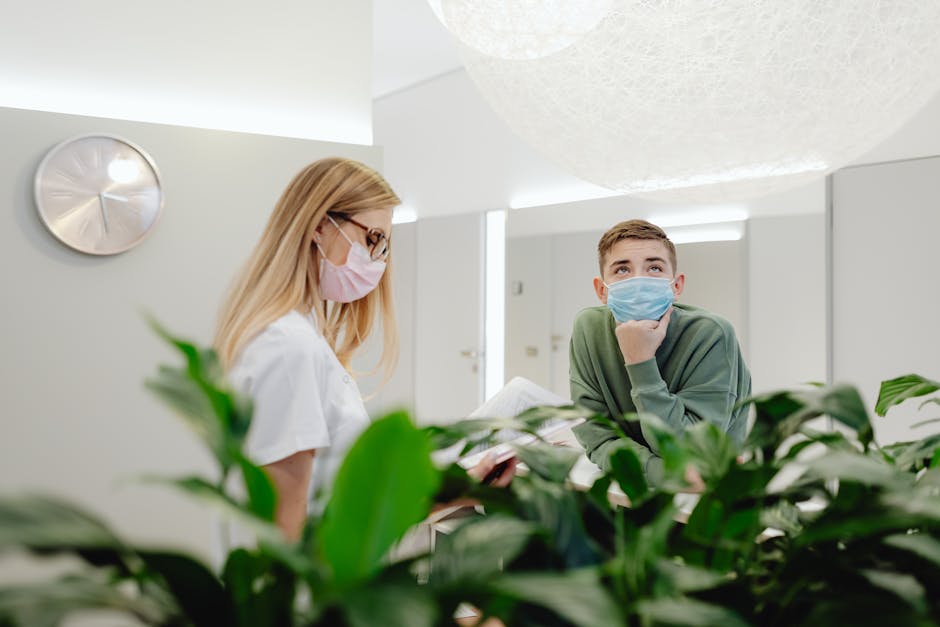
Why Cleaning Guide for Harley Street Clinics and Patient Areas Matters
Harley Street clinics operate in a very particular environment. Patients often walk in with high expectations, sometimes nerves, and usually very little tolerance for anything that feels scruffy, rushed, or uncertain. A clean clinic reassures people before a word is spoken. That matters in any healthcare setting, but especially in a place associated with premium care and professional discretion.
Cleaning in patient areas also affects more than appearance. Reception desks, waiting rooms, consultation spaces, toilets, staff touchpoints, and soft furnishings can all become high-contact zones. If those spaces are not cleaned consistently, dust, odours, fingerprints, and build-up start to create a sense that the clinic is behind on the details. Nobody wants that feeling. Not patients, not clinicians, not the person opening up at 7:30 on a damp London morning.
There is another layer too: confidence. A spotless environment supports staff morale and can make the whole practice run more smoothly. People work differently in a space that feels cared for. To be fair, it is a bit like wearing a clean shirt to an important meeting. You still need to do the work, but the environment helps.
For clinics in and around Marylebone, where presentation is often part of the brand, cleanliness is also tied to reputation. A patient may not say, "the skirting boards looked dusty", but they notice. They always notice.
How Cleaning Guide for Harley Street Clinics and Patient Areas Works
Good clinic cleaning is not one big event. It is a sequence of small, disciplined tasks carried out at the right frequency, with the right method, and with attention to cross-contamination risks. That is the core idea.
A practical cleaning routine for patient-facing areas usually follows a simple pattern:
- Identify the zone - reception, waiting area, consulting room, treatment room, toilet, corridor, staff area, or storage.
- Assign the cleaning frequency - some surfaces need attention between patients, others daily, weekly, or on a deeper rotation.
- Use the correct product - not every surface can take the same cleaner, and not every stain needs the same approach.
- Work top to bottom - high dusting first, then surfaces, then floors, so you do not undo your own effort.
- Separate clean and dirty tasks - especially in washrooms, bin areas, and any place where body fluids or waste might be involved.
- Document what has been done - a simple checklist can prevent missed areas and helps with accountability.
In practice, that means a reception chair arm may need more frequent sanitising than the carpet under the sofa, while the toilet door handle deserves attention far more often than a wall picture. Sounds obvious, but in busy clinics obvious things are the first to slip.
Depending on the setting, cleaning may also involve a mix of daily maintenance and periodic deep cleaning. For example, you might schedule a same-day tidy and sanitise, then bring in more intensive carpet cleaning support in Marylebone to deal with fibres, allergens, and embedded dirt that routine vacuuming cannot fully remove.
Key Benefits and Practical Advantages
The strongest cleaning systems are not just about looking polished. They solve several real problems at once.
- Better patient reassurance: A clean entrance, clear floors, and fresh-smelling waiting area reduce anxiety before an appointment.
- Lower visible wear: Regular care helps protect flooring, upholstery, touchpoints, and fixtures from looking tired too quickly.
- Improved hygiene control: High-contact surfaces are managed more consistently, which supports safer day-to-day operations.
- Less reactive cleaning: A planned routine usually costs less time and stress than constantly dealing with last-minute mess.
- Professional consistency: Staff and patients get the same standard every day, rather than depending on who noticed what.
There is also a commercial benefit that gets overlooked. Clinics in competitive areas like Harley Street and Marylebone live or die by trust signals. Clean windows, neat upholstery, polished reception surfaces, and odour-free patient areas all quietly reinforce that trust. It is not flashy, but it works.
If you are comparing whether to outsource some of this work, our office cleaning in Marylebone page can help you think through what structured commercial cleaning typically covers, especially where admin spaces and front-of-house areas overlap.
Who This Is For and When It Makes Sense
This guide is useful for any business responsible for patient-facing spaces, but it is especially relevant for:
- private GP and consultant practices
- medical aesthetics clinics
- dental and orthodontic practices
- physiotherapy and rehabilitation spaces
- wellness clinics with treatment rooms
- multi-disciplinary healthcare centres
- practice managers overseeing shared reception or waiting areas
It also makes sense if your current arrangement feels a little informal. Maybe staff are cleaning what they can between appointments, but the service schedule is inconsistent. Maybe the waiting area looks fine at 9am and then gets progressively less convincing by lunchtime. Or maybe the cleaning contract exists, but nobody is quite sure what is included. That happens more often than people admit.
This is also for new practices setting up in leased premises. If you are planning layout, finishes, and routines before opening day, you can save yourself a lot of trouble by choosing easier-to-maintain materials from the start. Less drama later. Always a bonus.
For owners working across a broader property portfolio or practice expansion, it may also help to review the team behind the service. Our about us page gives a clearer sense of how a local cleaning company presents itself, and our pricing and quotes page can be useful if you are benchmarking service structures.
Step-by-Step Guidance
Here is a practical way to approach clinic and patient-area cleaning without turning it into chaos.
1. Map the space by risk and use
Start by splitting the clinic into zones: reception, waiting room, toilets, treatment rooms, clinical corridors, staff areas, storage, and back-of-house. Then note what each area is exposed to. A waiting room sees coats, bags, shoes, coffee cups, and occasional muddy umbrellas. A treatment room sees another set of risks entirely. Different room, different priorities.
2. Set cleaning frequencies that match reality
Some surfaces need attention several times a day, especially in busy clinics. Others can be rotated daily or weekly. The key is not doing "everything all the time" and burning people out. It is about smart prioritisation. For example:
- door handles, light switches, and reception counters: frequent disinfection or wipe-downs
- waiting room seating and tables: daily inspection and regular cleaning
- toilets and sinks: multiple checks during the day, depending on traffic
- floors: vacuuming or mopping based on material and footfall
- skirting boards, vents, and corners: scheduled deep cleaning
3. Use the right products for each surface
Not every cleaner is suitable for every finish. Stainless steel, laminate, vinyl, glass, fabric upholstery, and natural stone all respond differently. Always check manufacturer guidance where available. Harsh products can strip finishes, dull shiny surfaces, or leave residues that attract dirt faster. That's annoying, and avoidable.
4. Clean from cleanest to dirtiest
Work in a logical order so you do not spread contaminants around. In most cases, that means starting with less contaminated areas and ending with toilets or waste handling areas. In a treatment or consultation room, begin with high dust and wipe-down tasks, then move to touchpoints, then floors.
5. Pay extra attention to patient touchpoints
These are the surfaces people touch without thinking: armrests, pens, clipboards, card terminals, taps, toilet flush handles, door pushes, and reception counters. If you only clean what is visually obvious, you miss the places that matter most in daily use.
6. Build in a deep-clean cycle
Routine cleaning keeps things acceptable. Deep cleaning restores standards. That can include upholstery extraction, carpet care, descaling in washrooms, detailed dust removal, and edge work around furniture. If your soft seating gets heavy use, the difference between weekly vacuuming and a proper deep refresh is noticeable. You can almost smell it when a room has been neglected - stale fabric, old dust, the faint "busy week" odour. Not ideal.
7. Record what has been completed
A visible checklist or cleaning log helps everyone. It also makes it easier to spot patterns, such as recurring marks on a particular chair or a toilet that needs more frequent checks. Small system, big payoff.
Expert Tips for Better Results
After you have the basics in place, these small refinements can improve consistency quite a lot.
- Keep a dedicated kit for each zone. A colour-coded system reduces the chance of cross-use between toilets, general patient areas, and staff spaces.
- Choose low-odour products where possible. Strong fragrance can make a freshly cleaned clinic feel oddly chemical. Some patients really dislike that.
- Protect the first five minutes of the day. If reception opens to the public, make sure the front-of-house area is fully reset before the first patient arrives.
- Ask cleaners to notice, not just wipe. A good cleaner spots damage early: a loose chair leg, a cracked tile, a stained cushion, a flickering light. That kind of observation saves money later.
- Match cleaning to patient flow. A clinic with back-to-back appointments needs different timing from one with long gaps and specialist consultations.
- Do not ignore the "quiet" areas. Corridors, storage rooms, and staff corners can become clutter traps. Then they spill into patient perception, because they always do.
One practical tip from real-life clinic settings: place a quick reset routine around the busiest transition points, such as lunchtime and the end of the afternoon block. That is often when the room starts to show its age. By 4:30pm, the reception carpet has usually told its own little story.
If patient comfort depends heavily on soft seating, our upholstery cleaning in Marylebone page may be useful for understanding how fabric chairs and sofas can be maintained without making them look overworked.
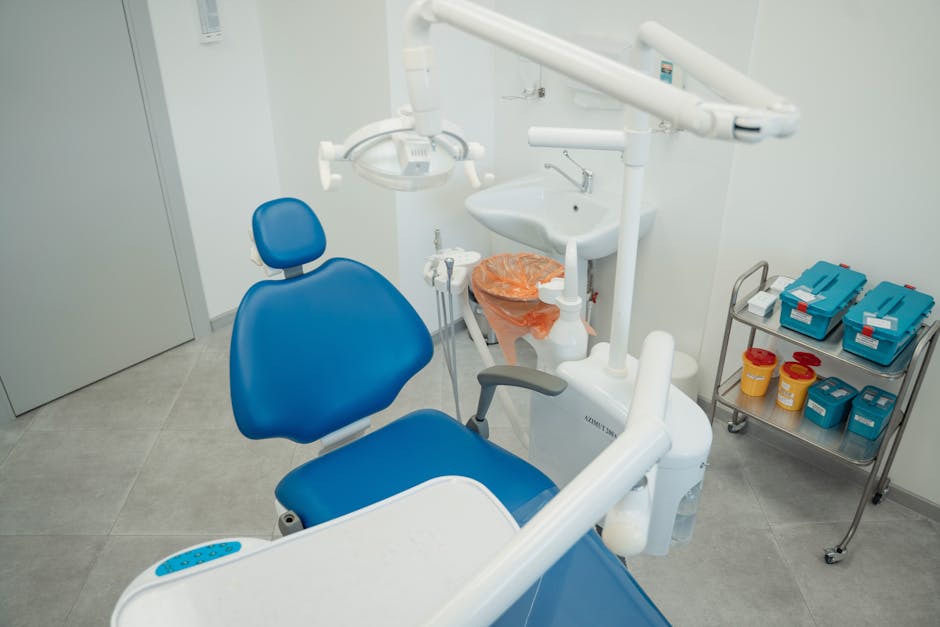
Common Mistakes to Avoid
These are the mistakes that tend to cause the most avoidable stress.
- Cleaning only when things look dirty. By the time a patient notices, the standard has already slipped.
- Using one generic product for everything. It is convenient, yes. It is also how finishes get damaged.
- Forgetting the high-touch details. Light switches, handles, and counters are easy to miss because they do not look dramatic.
- Letting clutter slow down cleaning. Too many leaflets, boxes, spare chairs, or old files make surfaces harder to maintain.
- Skipping deep cleaning in quiet periods. A clinic can look neat on the surface while dirt builds up underneath.
- Relying on memory instead of a checklist. Even capable people forget things when the phone rings, the surgeon is delayed, and a patient is asking where the toilet is.
Another common issue is unclear responsibility. If nobody owns a task, it tends to drift. Who checks the waiting area? Who reports a spill? Who replaces supplies? If those answers are fuzzy, the cleaning system will always feel a bit wobbly.
Tools, Resources and Recommendations
The right equipment makes clinic cleaning easier, safer, and more consistent. You do not need an overcomplicated kit, but you do need the basics to be dependable.
| Item | Why it helps | Best use in clinics |
|---|---|---|
| Microfibre cloths | Lift dust and residue effectively | Reception desks, counters, touchpoints |
| Colour-coded mop and cloth system | Helps reduce cross-contamination | Separate toilets from patient areas |
| Vacuum with HEPA filtration | Captures fine dust and improves indoor cleanliness | Waiting rooms, corridors, textile-heavy areas |
| Approved surface cleaners | Supports safe cleaning on different finishes | Desks, doors, handles, furniture |
| Cleaning checklist | Improves consistency and accountability | Daily and weekly task tracking |
| Upholstery and carpet maintenance equipment | Helps refresh patient-facing soft furnishings | Waiting rooms, private consultation spaces |
For local businesses needing reliable support, a wider review of domestic cleaning services in Marylebone can sometimes help clarify how routine cleaning standards are structured, even if your clinic needs are more specialised. Not every lesson transfers directly, but the discipline around scheduling and consistency often does.
You may also want to review the company's payment and security information if you are arranging services through an internal procurement or accounts process. It sounds administrative, but it matters when you are choosing a supplier you'll rely on regularly.
Law, Compliance, Standards, or Best Practice
For clinics, cleaning is never purely cosmetic. It sits alongside broader duties relating to hygiene, safety, and the management of risk. Exact obligations can vary depending on the type of service offered, the premises, and how the clinic is regulated. Because of that, it is wise to treat this as a best-practice area rather than trying to improvise standards from memory.
In UK settings, many clinics follow recognised expectations around:
- safe use and storage of cleaning chemicals
- proper handling of waste and contaminated materials
- risk assessment for slips, trips, and wet floors
- staff training and clear cleaning schedules
- record-keeping where appropriate
- appropriate insurance and supplier due diligence
It is also sensible to check what your landlord, facilities manager, professional body, or internal governance procedures expect. For healthcare or treatment environments, the standards for cleanliness can be stricter than in a normal office, and rightly so.
Best practice usually means having:
- a written cleaning schedule
- task ownership for daily, weekly, and monthly jobs
- basic incident reporting for spills, breakages, or contamination events
- clear escalation routes for deep cleaning or specialist support
- supplier checks that include reliability, insurance, and process clarity
If your practice wants to understand the operational side a little better, the complaints procedure and accessibility statement pages can also offer a useful sense of how transparent service providers structure trust and communication. That may sound indirect, but in professional environments transparency is never wasted.
Options, Methods, or Comparison Table
Not every clinic needs the same cleaning model. Some can manage with a well-trained in-house rota. Others need specialist support for more demanding areas. Here's a simple comparison to help with decision-making.
| Method | Best for | Strengths | Limitations |
|---|---|---|---|
| In-house cleaning | Small clinics with simpler layouts | Direct control, quick response | Can be inconsistent without strong systems |
| Scheduled commercial cleaning | Busy patient-facing practices | Regularity, professional routines, better coverage | Requires clear scope and oversight |
| Specialist deep cleaning | Carpets, upholstery, periodic refreshes | Restores appearance, handles embedded dirt | Not a substitute for routine daily cleaning |
| Hybrid model | Most Harley Street clinics | Flexible, practical, balanced cost and control | Needs good coordination |
In many real clinics, the hybrid model works best. Staff handle light resets during the day, while a professional team handles deeper or more technical work on a scheduled basis. That way, no one is trying to do everything at once. Which, let's face it, never ends well.
Case Study or Real-World Example
Here is a realistic example based on the kind of situation many Marylebone practices face.
A small private clinic near Harley Street has a reception area, two consultation rooms, a patient toilet, and a compact waiting room with upholstered chairs. The team keeps the place tidy, but by mid-afternoon the waiting room starts to feel worn: small marks on the sofa arms, dust around skirting edges, and footprints near the entrance on damp days. Nothing dramatic. Just enough to chip away at the polished feel.
The practice manager introduces a simple system:
- a morning reset before opening
- midday touchpoint checks in the reception and toilet areas
- daily vacuuming with attention to edges and under seating
- weekly upholstery inspection
- monthly deep cleaning for carpets and seating
Within a short time, the space feels more controlled. Patients no longer arrive to a room that looks "fine but tired". The staff notice too. The day starts calmer. The front desk looks ready, not half-ready. Small change, big difference.
If the clinic has heavier footfall or textile-heavy interiors, the team might add more specialist care through services like end of tenancy cleaning in Marylebone for vacant or turnaround spaces, or professional deep cleaning where a fuller reset is needed between tenants, refurbishments, or room changes. Not every clinic needs that, of course. But some do, and it can be a lifesaver when timings get tight.
Practical Checklist
Use this as a simple starting point for your own clinic cleaning routine.
- Review the clinic layout by zone and footfall
- List all patient-facing and staff-facing touchpoints
- Set a cleaning frequency for each area
- Assign responsibility for daily checks
- Keep separate kits for toilets and general patient areas
- Use suitable products for each surface type
- Check upholstery, carpets, and corners for hidden build-up
- Record completed tasks in a visible log or digital system
- Schedule periodic deep cleaning
- Review complaints, wear patterns, and recurring problem areas
Practical summary: the best clinic cleaning systems are simple enough to follow every day, detailed enough to protect standards, and flexible enough to cope with real-world pressure. If the system only works on a quiet Tuesday, it is not really a system.
Get a free quote today and see how much you can save.
Conclusion
A well-run clinic cleaning routine does more than keep surfaces neat. It supports patient confidence, helps staff work in a calmer space, and protects the professional image that Harley Street is known for. The best approach is usually a mix of disciplined daily cleaning, sensible scheduling, and occasional specialist support for carpets, upholstery, and deep refreshes.
If you are reviewing your current setup, start with the basics: clear zones, clear responsibilities, and clear standards. Then improve from there. That steady approach is often what makes the difference between a clinic that merely looks clean and one that genuinely feels cared for.
And that feeling matters. Patients notice it, staff rely on it, and over time it becomes part of the trust you build without saying a word.


.jpg "Carpet Cleaners Marylebone")


