Marylebone High Street: Where to Get Upholstery Cleaned W1
Posted on 06/05/2026
If you live, work, or spend much time around Marylebone High Street, you'll know the area has a certain polished-but-lived-in feel. Elegant flats, busy cafes, townhouse offices, and the odd velvet chair that has clearly seen a few years of real life. So when a sofa starts looking tired, or a dining chair picks up that one stain you keep pretending not to notice, the question becomes simple: where do you get upholstery cleaned in W1, and how do you choose well?
This guide is for exactly that moment. It explains what good upholstery cleaning near Marylebone High Street actually involves, how to compare options, what to ask before you book, and how to avoid the common mistakes that cost people time or damage delicate fabrics. You'll also find practical tips, local context, and a few pointers to other useful Marylebone resources, including upholstery cleaning in Marylebone, the wider services overview, and the company's pricing and quotes page if you want to move from research to booking.
Truth be told, upholstery is one of those things people put off until the marks are impossible to ignore. But if you choose the right cleaning approach, you can often improve appearance, reduce odours, and extend the life of furniture without turning your flat upside down for a whole day. Let's get into the practical stuff.
Why Marylebone High Street: Where to Get Upholstery Cleaned W1 Matters
Marylebone High Street sits in a part of London where properties tend to be well-kept, but also well-used. That combination matters. Furniture in busy homes, serviced apartments, practices, studios, and small offices can collect dust, body oils, drink spills, pet hair, and everyday grime faster than people expect. And in W1, where interiors often feature lighter fabrics, bespoke sofas, and upholstered dining seating, a bad cleaning choice can be more expensive than the stain itself.
Choosing the right upholstery cleaner near Marylebone High Street is not only about appearance. It is also about fabric care, drying time, access in tight stairwells, and whether the company understands how to work in central London homes without making a mess of the wider room. A professional who knows the area will usually be familiar with access issues, parking limits, concierge arrangements, and the realities of working around busy schedules. That sounds small. It isn't.
If you are comparing local services, it helps to look beyond the first search result. Some businesses are better for delicate fabrics, some for same-day jobs, and some for larger furnished homes. A useful place to start is the company's own service pages, like carpet cleaning in Marylebone and domestic cleaning in Marylebone, because they often show whether the team handles both fabric care and whole-home maintenance. That broader picture gives you a better feel for quality than a generic ad ever will.
Practical takeaway: If your upholstery is in a high-traffic Marylebone home or office, the best cleaner is usually the one who can explain fabric type, method, drying time, and aftercare in plain English.
How Marylebone High Street: Where to Get Upholstery Cleaned W1 Works
Upholstery cleaning is not one single process. A good cleaner will usually start with an inspection, because fabric type dictates almost everything that follows. Cotton, linen blends, velvet, synthetic fibres, leather, and mixed materials all respond differently. A wise cleaner does not guess. They test.
The typical process looks something like this:
- Initial assessment: The cleaner checks fabric labels, colour stability, stain type, wear level, and any weak seams or previous damage.
- Vacuuming and dry soil removal: Loose dust, crumbs, pet hair, and grit are removed first. Skipping this step is a bit like washing muddy shoes without rinsing them.
- Spot treatment: Specific stains are treated carefully, often with fabric-safe solutions chosen for the material and the stain source.
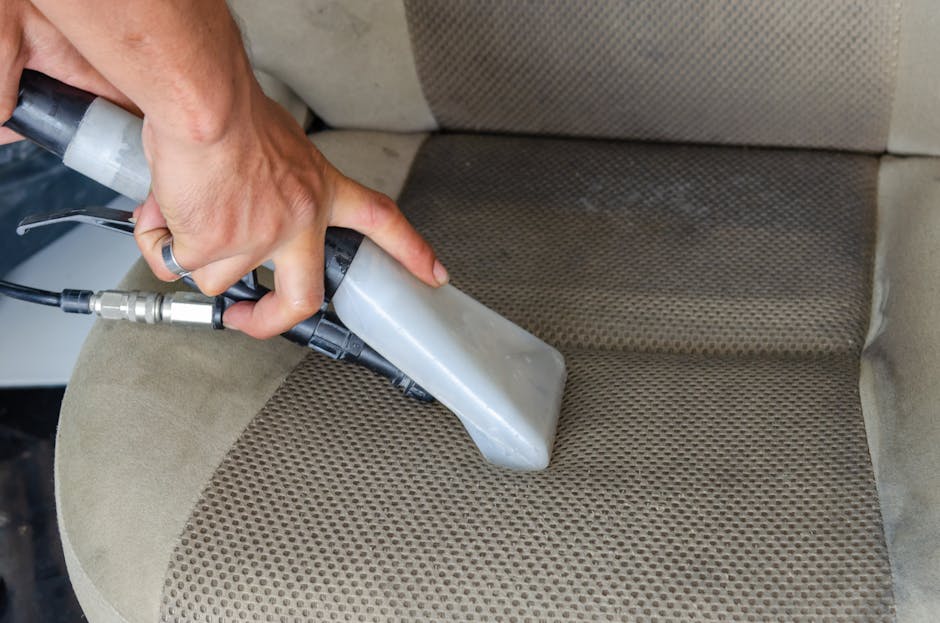
- Main cleaning method: Depending on the fabric, this might be hot water extraction, low-moisture cleaning, dry cleaning, or careful hand cleaning.
- Rinse or residue control: Professional cleaners aim to avoid sticky residue, because leftover product attracts dirt again.
- Drying and grooming: The fabric is left to dry properly, and pile or texture is restored where needed.
In real life, the method depends on the item. A linen armchair in a bright Marylebone flat may need a gentle approach, while a family sofa near a kitchen diner might benefit from deeper stain removal. The right answer is rarely the flashiest one. It is the one that suits the fabric.
If you want to compare service depth, the company's house cleaning in Marylebone and office cleaning in Marylebone pages can also help you see whether they work across domestic and commercial settings. That matters because furniture in an office lounge, for example, tends to need a different mindset from a private home sofa. Different traffic, different expectations, same need for care.
Key Benefits and Practical Advantages
Good upholstery cleaning does more than lift visible marks. Done properly, it can make a room feel fresher, reduce lingering odours, and help protect the furniture you've already paid good money for. In central London, where replacing upholstered items can be surprisingly costly once you factor in delivery and fitting, maintenance often makes more sense than replacement.
- Improved appearance: Colours often look brighter and fibres can regain a cleaner, more even finish.
- Odour reduction: Everyday smells from food, pets, smoke, or damp can be reduced noticeably.
- Longer furniture life: Removing abrasive dirt helps fabric wear more slowly.
- Better hygiene: Upholstery can trap dust and allergens, so deep cleaning supports a cleaner indoor environment.
- Better first impressions: Important if you host clients, rent out a flat, or simply prefer your home to feel sorted.
There is also a calmer, less obvious benefit: a tidy sofa changes the tone of a room. It sounds a touch dramatic, but it's true. Clean seating makes a sitting room look more intentional and less like everything is hanging on by a thread. And who doesn't want that on a rainy Wednesday afternoon?
For people preparing to move, sell, or host guests, it can also sit alongside broader upkeep. The end of tenancy cleaning in Marylebone page is worth a look if you need upholstery cleaning as part of a larger exit clean. In practice, many people bundle these jobs because the whole place benefits from one coordinated visit.
Who This Is For and When It Makes Sense
Upholstery cleaning near Marylebone High Street makes sense for a lot more people than you might think. It is not just for large houses or luxury apartments. In fact, some of the most practical bookings come from ordinary flats with one sofa, a couple of dining chairs, and maybe an ottoman that has suffered through far too many mugs of tea.
This is especially relevant for:
- Residents in flats and townhouses who want to maintain furniture without replacing it early
- Landlords and managing agents preparing a property for new tenants
- Homeowners dealing with stains, pet hair, or general build-up
- Office managers keeping reception chairs and breakout seating presentable
- People with allergies who want a cleaner indoor environment
- Anyone hosting guests or clients and wanting the place to feel properly looked after
When does it make sense to book? Usually when stains stop being temporary and start becoming part of the furniture. Also after illness, after a renovation, before end-of-tenancy photography, or before a big event at home. You know the moment: you glance at the sofa in daylight and think, "Right. That's enough now."
For a bit of local context beyond cleaning, the related Marylebone reading on living in Marylebone from a local perspective and discovering Marylebone's hidden treasures can be useful if you're interested in how residents actually live and maintain homes in the area. That matters because local routines shape cleaning needs more than people realise.
Step-by-Step Guidance
If you are booking upholstery cleaning for the first time, keep the process simple. The more clearly you describe the job, the easier it is to get a sensible quote and the right method.
- Identify the item: Sofa, armchair, dining chair, headboard, footstool, or office seating.
- Check the fabric label if possible: Look for cleaning codes or manufacturer notes. If there is no label, say so.
- List the problems: Stains, smells, pet hair, general dullness, dust, or water marks.
- Take a few photos: In good daylight, if you can. It saves awkward back-and-forth later.
- Ask how the cleaner works: You want to know the method, expected drying time, and whether pre-treatment is included.
- Confirm access details: Front door, concierge, parking, stair access, and any time restrictions.
- Prepare the area: Move small items away, clear side tables, and give the cleaner enough room to work.
- Discuss aftercare: Ask what to do if a stain reappears or if the fabric feels slightly damp longer than expected.
A decent cleaner will not mind these questions. In fact, they should welcome them. If someone gets vague when you ask what happens if the fabric is delicate, that is usually a small warning sign. Not always, but often enough.
If you're still comparing providers, the about us page is another sensible read. It helps you understand whether the company presents itself with real service detail rather than just glossy claims. And that's often where trust begins.
Expert Tips for Better Results
There are a few things that make a surprisingly big difference to the final result. They are not glamorous. They just work.
- Vacuum before the appointment if you can. It helps the cleaner focus on embedded soil rather than surface crumbs.
- Be honest about stains. Coffee, wine, ink, makeup, and pet accidents all behave differently. Guessing rarely helps.
- Don't oversaturate fabric at home. A common DIY mistake is using too much water, which can leave marks or slow drying.
- Ask about drying conditions. Open windows if suitable, but don't blast the fabric with heat unless the cleaner says it is fine.
- Use protectors carefully. Stain protectors can be helpful on some items, but they should suit the fabric and be applied properly.
One practical tip that people often overlook: take a photo of the furniture before cleaning and another after. Not for social media. Just for reference. If you ever need to compare wear, or note a pre-existing mark, you will be glad you did.
For trust and peace of mind, it is also worth reviewing pages like insurance and safety and health and safety policy. Those pages may not feel exciting, but they tell you how seriously a company takes risk, equipment, and on-site care. That is not a tiny detail.
Common Mistakes to Avoid
Most upholstery problems after cleaning come from simple avoidable errors. Luckily, they're easy enough to spot once you know what to look for.
- Choosing on price alone: Cheaper isn't always cheaper if the fabric shrinks or the stain spreads.
- Using the wrong method for delicate fabric: Velvet, silk blends, and some natural fibres need proper care.
- Expecting instant drying: A sofa does not always bounce back in an hour. Give it time.
- Scrubbing stains aggressively: That often pushes the mark deeper into the fabric.
- Ignoring the label or manufacturer guidance: A small symbol can save a lot of grief.
- Booking without access details: Central London logistics are part of the job. Don't forget them.
And a slightly obvious one, but still worth saying: if a cleaner promises miracle results on every fabric, every stain, every time, be careful. Real professionals tend to speak in ranges and probabilities, not fairy tales. That is a good sign, not a bad one.
Tools, Resources and Recommendations
Good upholstery care relies on the right equipment and the right judgement. The best companies tend to use fabric-safe detergents, controlled moisture methods, suitable extraction tools, and spot-treatment products chosen for the particular job. They also know when not to push too hard.
From a customer point of view, your most useful resources are usually the company pages that explain scope and expectations. For example:
- Services overview for a quick look at the available options
- Upholstery cleaning in Marylebone for service-specific detail
- Pricing and quotes if you want a clearer sense of how estimates are handled
- Payment and security if you prefer to check booking confidence first
If you manage a property or run a small business near W1, broader support pages can also be helpful. For example, domestic cleaning and office cleaning show whether the company can support you beyond a one-off sofa clean. That kind of continuity is handy when you do not want to start from scratch every time.
One more practical thought: if you're unsure about the right service fit, use the site blog to get a feel for local knowledge. The article on Marylebone property guidance is not about upholstery directly, but it does show how the area's homes and expectations differ from a generic London postcode. Sometimes that context matters more than the service pitch.
Law, Compliance, Standards, or Best Practice
For upholstery cleaning, the main compliance concern is less about a special law aimed at sofas and more about general consumer, safety, and business best practice. In the UK, that usually means clear pricing, honest descriptions, careful handling of property, suitable equipment use, and proper care around chemicals and ventilation. A reputable cleaner should be able to explain what they are doing and why.
From a practical standpoint, best practice normally includes:
- checking fabric suitability before applying moisture or solution
- using cleaning products according to manufacturer instructions
- protecting floors, skirting, and nearby furnishings
- being transparent about expected outcomes on old or set-in stains
- handling access, electrical equipment, and wet surfaces safely
It is also sensible to review basic trust pages before booking. The company's terms and conditions, privacy policy, and complaints procedure are worth a look if you want to understand how the business handles customer concerns. A service provider that makes this easy is usually easier to work with later, too.
And yes, it's a little dull to read policies before booking a chair clean. But in fairness, it can save a headache. Especially if your flat has tight access, a fragile fabric, or a landlord who wants every detail recorded. Small paper trails, big peace of mind.
Options, Methods, or Comparison Table
Not every upholstery job calls for the same method. The right approach depends on fabric, contamination level, drying tolerance, and how much disturbance you can live with on the day. Here is a simple comparison to make the choice clearer.
| Method | Best for | Pros | Watch-outs |
|---|---|---|---|
| Hot water extraction | Synthetic fabrics, heavily used sofas, general deep cleaning | Strong soil removal, effective on embedded dirt | Longer drying time, not ideal for all delicate materials |
| Low-moisture cleaning | Busy homes, quicker turnaround needs, some mixed fibres | Faster drying, less disruption | May be less aggressive on stubborn staining |
| Dry cleaning | Delicate or moisture-sensitive upholstery | Minimal water exposure, useful on certain fabrics | Not suitable for every stain or every material |
| Hand spot treatment | Isolated stains and sensitive areas | Targeted, careful, useful for small issues | Won't replace a full clean if the item is generally dirty |
The comparison is useful, but the real decision often comes down to fabric and honesty. If a cleaner asks the right questions before recommending a method, that's usually a good sign. If they jump straight to a one-size-fits-all pitch, maybe not.
Case Study or Real-World Example
Imagine a two-bedroom flat just off Marylebone High Street. The owners have a pale sofa in the sitting room, two dining chairs near a window, and a footstool that picked up a coffee ring months ago. Nothing dramatic. Just the kind of lived-in wear that slowly makes the whole room look less sharp.
They contact a local cleaner, share photos, and mention that the sofa is used daily, the dining chairs are fabric-upholstered, and the flat has narrow access with no lift. The cleaner inspects the items, identifies the likely fabric mix, and recommends a gentler clean for the chairs and a deeper method for the sofa. The team sets realistic expectations about drying time and explains that the coffee mark may lighten significantly but not disappear entirely. Fair enough.
After the appointment, the room feels brighter, the odour from everyday use is gone, and the seating looks more even. The owners do not get a brand-new sofa, because that is not what cleaning does. But they do get something close to what they actually needed: a fresher home, less visual clutter, and furniture they can confidently keep using.
That is the real value of a good service. Not perfection. Just a proper reset.
Practical Checklist
Use this checklist before you book upholstery cleaning near Marylebone High Street. It's short, but it covers the basics that matter.
- Identify the furniture pieces that need cleaning
- Check fabric labels or manufacturer notes if available
- Take clear photos in natural light
- Note any stains, smells, pet hair, or visible wear
- Ask which cleaning method is most suitable
- Confirm expected drying time
- Check whether pre-treatment is included
- Share access details and any timing restrictions
- Review pricing, payment, and cancellation terms
- Ask about insurance and aftercare
Quick reminder: if the furniture is especially delicate, mention it twice. Seriously. Once in the booking notes and once when the cleaner arrives. No harm done.
Conclusion
Marylebone High Street is a practical place to live and work, but it also asks a bit of your furniture. Daily life leaves marks. That's not failure, just normal London living. The good news is that upholstery cleaning in W1 does not need to be complicated if you choose a provider that understands fabric care, access, drying time, and the realities of the area.
Whether you're looking after a well-loved sofa, preparing a rental for new tenants, or freshening up seating in a small office, the best next step is to compare service detail, ask specific questions, and choose a company that is upfront about methods and outcomes. A careful clean can make a room feel lighter, calmer, and far more inviting. And honestly, that little lift can change the way a place feels more than people expect.
For more background on the area and related services, you can also explore the Marylebone blog or browse the wider cleaning pages to see what fits your home or business best. The right decision is usually the one that feels clear, not rushed.
Get a free quote today and see how much you can save.


.jpg "Carpet Cleaners Marylebone")


