Portman Estate Cleaning Services: Victorian Homes Care
Posted on 22/05/2026
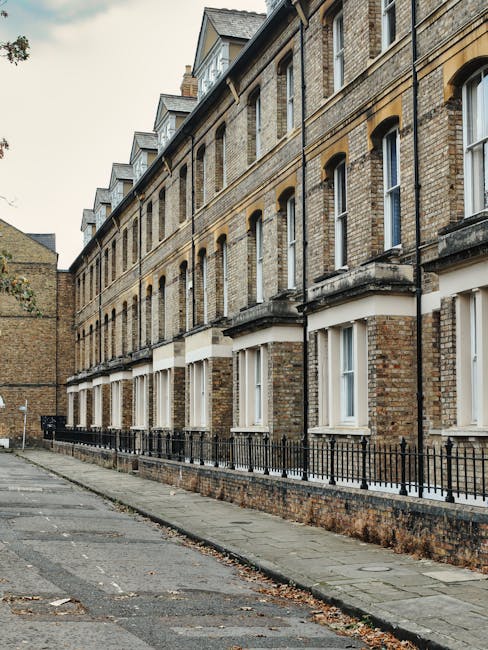
Victorian homes in the Portman Estate have a certain presence about them. Tall windows, original cornices, deep skirting boards, old timber floors, ornate fireplaces. Beautiful, yes. Easy to clean properly? Not always. Portman Estate Cleaning Services: Victorian Homes Care is really about understanding those details and looking after them without causing wear, dullness, or accidental damage.
If you live in, manage, or are preparing a period property in this part of Marylebone, you already know the basics of cleaning are not enough. You need the right methods, the right products, and a bit of patience. In our experience, that makes all the difference. This guide walks through what specialist care means, why it matters, and how to approach Victorian home cleaning sensibly, whether you are maintaining a family house, a rental, or a carefully restored flat.
For broader context on local cleaning support, you may also find our services overview useful, especially if you want to understand how different cleaning tasks fit together in a period property.
Contents
- Why Portman Estate Cleaning Services: Victorian Homes Care Matters
- How Portman Estate Cleaning Services: Victorian Homes Care Works
- Key Benefits and Practical Advantages
- Who This Is For and When It Makes Sense
- Step-by-Step Guidance
- Expert Tips for Better Results
- Common Mistakes to Avoid
- Tools, Resources and Recommendations
- Law, Compliance, Standards, or Best Practice
- Options, Methods, or Comparison Table
- Case Study or Real-World Example
- Practical Checklist
- Conclusion
- Frequently Asked Questions
Why Portman Estate Cleaning Services: Victorian Homes Care Matters
Victorian homes are sturdy, but they are also full of surfaces that behave differently from modern materials. Lime plaster can react badly to excess moisture. Original woodwork can lose its finish if treated too aggressively. Older carpets and upholstery often hold dust in a way that is not obvious until you move furniture or open a sash window and suddenly the air feels a bit different.
That is why specialist care matters. It is not just about making a property look clean for the afternoon. It is about preserving character, avoiding unnecessary damage, and keeping the home comfortable to live in. For Portman Estate properties, that often means balancing appearance with conservation-minded cleaning choices.
There is also a practical side. A Victorian home that is cleaned properly tends to be easier to maintain over time. Dust does not build up as fast in the corners. Fabrics last longer. Floors stay in better shape. And if you are planning to let, sell, or simply keep the home at a high standard, the difference is visible straight away.
Expert summary: The best Victorian home cleaning is careful, not heavy-handed. The goal is to protect original features while still achieving a fresh, hygienic result.
For readers interested in the local area and what living in Marylebone is like day to day, these local insights from Marylebone residents give a useful sense of the neighbourhood and the expectations that often come with homes here.
How Portman Estate Cleaning Services: Victorian Homes Care Works
Good Victorian home care starts with inspection. Before any cloth, vacuum, or cleaning solution comes out, the cleaner should look at the property properly: floor type, wall finish, fabric condition, stonework, fixtures, and any signs of previous repair or damage. That sounds obvious, but to be fair, it is the bit that gets skipped when people rush.
The actual cleaning process usually involves a few stages:
- Assessment: Identify delicate finishes, stained areas, high-traffic zones, and any surfaces that need specialist treatment.
- Dust removal: Start dry where possible. Victorian homes often have mouldings and ledges that trap dust.
- Surface-safe cleaning: Use suitable pH-balanced or material-appropriate products rather than strong all-purpose chemicals.
- Detail work: Clean around fittings, skirting, radiators, window tracks, and ornate features.
- Fabric and floor care: Tackle carpets, rugs, curtains, and upholstery with methods suited to age and fibre type.
- Final check: Review for residue, streaking, missed corners, or over-wetting.
In a Portman Estate setting, this process is often adapted depending on whether the property is owner-occupied, rented, or undergoing a change of tenancy. For example, a family home may need regular domestic cleaning with periodic deeper treatment, while a vacant period flat might benefit from a more intensive service before new residents move in.
If you are comparing regular housekeeping with one-off deep cleaning, it can help to read more about domestic cleaning in Marylebone and house cleaning for local homes. Those services often overlap with Victorian property care, but the priorities can differ quite a bit.
Key Benefits and Practical Advantages
The benefits of specialist Victorian home cleaning go beyond a neat finish. Some are obvious, others only become obvious after you have had a few issues and had to sort them out the hard way. Nobody enjoys that part.
- Protection of original features: Period details such as dado rails, plaster mouldings, hardwood floors, and fireplaces need gentler treatment than modern equivalents.
- Better long-term upkeep: Regular, careful cleaning helps prevent grime from embedding into materials.
- Improved indoor comfort: Dust reduction and fabric care can make rooms feel fresher and less stuffy.
- Better presentation: This matters for landlords, sellers, and anyone hosting guests in a high-end local property.
- Reduced risk of accidental damage: Using the wrong product on varnish, stone, or fabric can leave a mark that is awkward and expensive to fix.
- More efficient maintenance: Once a proper routine is in place, the property is easier to keep at a high standard.
There is also a subtle but important emotional benefit. A well-kept Victorian home simply feels better to live in. The rooms sound calmer, smell cleaner, and look more settled. That old-house sense of character stays intact instead of being scrubbed into something flat and generic. Which, honestly, is half the point.
Who This Is For and When It Makes Sense
This kind of cleaning is useful for a few different people, and the needs are not identical. The same property can call for a different approach depending on who is living there and what is happening in the building.
Homeowners
If you live in a Victorian house on or around the Portman Estate, specialist care makes sense when you want to preserve finishes, reduce wear, or simply keep on top of the extra dust and detail that older homes generate. A regular cleaner may be perfectly competent, but period properties often need a bit more guidance.
Landlords and property managers
For rental homes, presentation and consistency matter. Tenants notice when skirting boards, carpets, and upholstery are clean. So do inspectors, agents, and prospective renters. If you manage a period property portfolio, a repeatable cleaning standard becomes very useful.
New buyers and renovators
If you have recently bought a Victorian property in the area, a proper clean is often one of the smartest first steps. Before you decide what to restore, repaint, or replace, it helps to see the home clearly. Dust, dullness, and old residue can hide the real condition of the building.
For buyers thinking about the area as a long-term commitment, these Marylebone property buying tips may be helpful. They give a good sense of what to look for in local buildings before any cleaning or restoration work starts.
After events or busy periods
Victorian homes are lovely for entertaining, but they also show the aftermath quickly. Foot traffic on old carpets, fingerprints on painted woodwork, a bit of grease in the kitchen, all of it adds up. After gatherings, a careful refresh is often the difference between "lived-in" and "slightly overwhelmed."
Step-by-Step Guidance
If you want to approach Victorian home cleaning in a sensible way, start with the property itself rather than the product shelf. That mindset saves time and prevents mistakes.
- Walk through the home room by room. Note delicate paintwork, flaking finishes, watermarks, stains, and high-touch areas.
- Prioritise dry cleaning first. Dust, vacuum, and brush before using any moisture. This reduces smearing and protects porous materials.
- Separate materials. Treat wood, stone, fabric, glass, and plaster as different jobs, not one universal task.
- Test products in small areas. Especially on older paint, polished timber, and upholstery. A quick test can save a headache later.
- Work top to bottom. Start with high ledges, then walls, furniture, and floors. Otherwise dust falls where you have already cleaned. Annoying, but true.
- Clean details slowly. Cornices, radiator covers, window catches, and door frames all collect grime in a Victorian home.
- Finish with a check for residue. Leftover product can dull surfaces or attract more dirt over time.
A realistic example: if you are cleaning a Victorian reception room, you might begin with ceiling mouldings and light fixtures, then vacuum soft furnishings, wipe painted woodwork with a barely damp microfibre cloth, and finish by refreshing the carpet or rug. One room at a time. No chaos. No rushing around with three sprays and a prayer.

Expert Tips for Better Results
Little decisions matter in older homes. The best results usually come from restraint and consistency, not aggressive products or over-cleaning.
- Use the least moisture necessary. Victorian plaster and timber can dislike excess water.
- Choose neutral or material-specific cleaners. Strong detergents can leave residue or damage finishes.
- Keep a soft brush handy. It helps with mouldings, vents, and ornate corners where cloths struggle.
- Vacuum slowly on textiles. Older upholstery and rugs benefit from careful, even passes rather than haste.
- Watch for hidden dust traps. Behind radiators, along curtain pelmets, around window seats, and under deep skirting.
- Schedule periodic deep cleans. Regular maintenance is easier than allowing layers of grime to build up.
Here is a small but useful tip: in homes with original sash windows, clean the tracks and surrounding frames during dry weather if you can. Damp conditions can make dust stick and turn simple cleaning into a slightly grimy business. Not dramatic, just inconvenient.
If your project includes fabric care too, our upholstery cleaning service in Marylebone is worth looking at, especially for sofas, dining chairs, and period armchairs that have seen a few winters.
Common Mistakes to Avoid
Victorian homes forgive a lot, but not everything. Some mistakes show up quickly; others quietly wear away at the property over time. Here are the common ones worth avoiding.
- Using harsh all-purpose sprays everywhere. They can dull varnish, affect painted finishes, and leave streaks on glass or stone.
- Over-wetting surfaces. Excess water can seep into joints, cracks, or old plaster.
- Ignoring textiles. Carpets, curtains, and upholstery can hold dust and odour even when the room looks tidy.
- Forgetting ventilation. Old homes often need airflow during and after cleaning to help surfaces dry properly.
- Scrubbing decorative details too hard. Cornices and trims can chip or flake if treated roughly.
- Using the same approach for every room. Kitchens, bathrooms, reception rooms, and bedrooms all need different attention.
One of the biggest issues is impatience. It sounds a bit obvious, but there it is. A Victorian home rewards methodical work. If a stain needs dwell time, let it have it. If a surface needs drying, do not rush the next step. That kind of patience usually pays off.
Tools, Resources and Recommendations
You do not need a warehouse of equipment, just the right things for the job. In period homes, the quality of the tool often matters more than having lots of them.
Useful tools for Victorian home care
- Microfibre cloths with a soft weave
- Vacuum cleaner with adjustable suction and brush attachments
- Soft detailing brush for mouldings and corners
- Barely damp cloths for sealed wood and painted surfaces
- Material-safe cleaners suited to timber, stone, glass, or fabric
- Protective pads for furniture moving
Recommended supporting reading
For a fuller view of how cleaning fits into property upkeep, the following pages can help:
- carpet cleaning in Marylebone for deeper floor care in period homes
- end of tenancy cleaning if the property is being prepared for new occupants
- pricing and quotes when you want to understand booking and budgeting
- about us if you want more background on the company and how it works
And if you are doing the research stage, it never hurts to browse the local context too. The Marylebone blog archive has several practical articles that sit nicely alongside property care planning.
Law, Compliance, Standards, or Best Practice
For domestic cleaning in Victorian homes, the main concerns are usually safety, product use, insurance, and sensible working practice rather than highly technical regulation. Still, a trustworthy service should follow recognised UK expectations around safe handling, site awareness, and customer care.
That includes:
- Working safely around fragile surfaces and fixtures.
- Using suitable products for the material being cleaned.
- Being clear about what is included, excluded, and how access is managed.
- Protecting privacy and property during attendance.
- Having appropriate insurance and safety processes in place.
If you are comparing providers, it is sensible to check policies before booking. A company's health and safety policy and insurance and safety information are both worth reviewing, especially for older homes where accidental damage is a real concern.
Best practice also means honest communication. If a stain is permanent, say so. If a surface is too delicate for a certain method, explain that early. It sounds basic, but good communication avoids disappointment and keeps expectations realistic.
Options, Methods, or Comparison Table
Choosing the right method depends on the room, the finish, and the condition of the property. The table below gives a straightforward comparison of common approaches used in Victorian home care.
| Method | Best For | Advantages | Watch Out For |
|---|---|---|---|
| Regular domestic cleaning | Routine upkeep, general tidiness, busy households | Keeps dust and grime under control; easier to maintain | May not be enough for deep-set dirt or neglected areas |
| Deep cleaning | Seasonal refresh, move-ins, post-event recovery | Reaches neglected corners and detail areas | Needs more time and a careful materials check |
| Targeted carpet or upholstery care | Soft furnishings, stairs, rugs, dining chairs | Improves appearance and hygiene without replacing items | Wrong methods can cause shrinkage or water marks |
| End of tenancy clean | Tenant handovers and property turnover | Helps present the home consistently and thoroughly | Should be tailored to the property's original features |
For many Portman Estate properties, a hybrid approach works best: regular cleaning for upkeep, then periodic deep treatment for carpets, upholstery, kitchens, and detail-heavy rooms. Simple, really. Just not always simple to do well.
Case Study or Real-World Example
Imagine a Victorian flat near the quieter streets of Marylebone, occupied by a couple who have lived there for several years. The home is attractive, but by late autumn the reception room feels slightly tired. The fireplace surround has a light film of soot, the carpet near the sofa has darkened in traffic areas, and the wooden skirting has collected dust in the ridges.
Rather than attacking everything with one strong cleaner, the better approach is staged. First, dry dust the mouldings and vacuum thoroughly with a brush attachment. Then treat the carpet with a suitable method, test any fabric cleaner on the upholstery, and finish the woodwork with a product safe for the existing finish. The room ends up looking brighter, but still like itself. That matters.
There is a similar logic for properties being prepared for new tenants. If you are interested in how turnover cleaning fits into local property management, our end of tenancy cleaning page is a useful next stop.
A small note from real life: the cleanest Victorian room is rarely the one that has been scrubbed the hardest. It is usually the one that has been looked after steadily, with a bit of respect for the building. Old homes can be a bit fussy, but they repay care beautifully.
Practical Checklist
Use this checklist before or during a Victorian home clean in the Portman Estate area.
- Identify fragile finishes, original features, and problem areas
- Choose products suited to wood, stone, fabric, and painted surfaces
- Vacuum and dust before using any moisture
- Test cleaners on a small hidden area first
- Protect floors and furniture during movement
- Clean details like skirting, ledges, and window frames
- Use ventilation to help rooms dry properly
- Inspect for residue, streaking, or missed corners
- Schedule regular maintenance rather than waiting for buildup
- Confirm insurance, access, and service scope before booking
If you are comparing service providers, it is worth checking practical support pages too, such as payment and security and the company's terms and conditions. It is the unglamorous part, sure, but it helps avoid confusion later.
Get a free quote today and see how much you can save.
Conclusion
Portman Estate Victorian homes deserve cleaning that respects their character. That means more than a quick tidy or a generic deep clean. It means understanding older materials, using the right techniques, and keeping the property in a condition that feels both cared for and lived in.
Whether you are a homeowner protecting original features, a landlord presenting a period property well, or a buyer getting ready to settle in, the right approach can make the home feel calmer, cleaner, and far easier to maintain. And once you get into a proper rhythm, it becomes less of a chore and more of a standard. A good one.
For extra local reading, you might also explore carpet cleaning tips for Baker Street flats and the broader Marylebone property investment ideas article, both of which connect well with long-term property care in the area.
Clean carefully, keep the character, and let the house stay itself. That is usually the real win.


.jpg "Carpet Cleaners Marylebone")


