Why Marylebone Cleaning Quotes Vary: Hidden Fees Explained
Posted on 10/06/2026
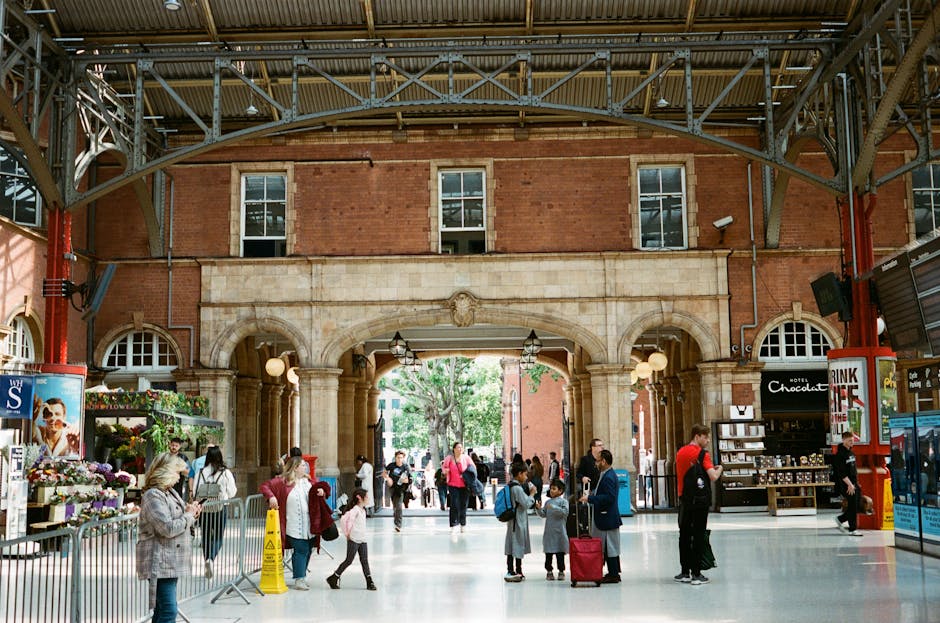
If you have requested a few cleaning quotes in Marylebone and the numbers do not quite match, you are not imagining it. Why Marylebone Cleaning Quotes Vary: Hidden Fees Explained is usually less about mystery and more about how each company assesses access, scope, equipment, and risk. One quote may look tidy on the surface, then grow legs once extras appear; another may seem higher at first, but include more of what you actually need. The tricky bit is spotting the difference before you book. This guide breaks it down in plain English, so you can compare like for like, avoid awkward surprises, and choose a service with confidence.
In Marylebone, where homes range from compact flats near Baker Street to elegant terraces and busy offices, the same job can genuinely cost different amounts. A good quote should explain why. A less transparent one? That is where hidden fees tend to creep in. Let's unpack the moving parts.
Why Why Marylebone Cleaning Quotes Vary: Hidden Fees Explained Matters
There is a simple reason this topic matters: most cleaning disputes start with assumptions, not bad intentions. A customer assumes "deep clean" includes everything. A cleaner assumes certain items are excluded unless confirmed. Then the invoice arrives and, well, nobody is delighted.
Marylebone adds another layer because the area has a wide mix of property types, access arrangements, and service needs. A flat above a busy street with narrow stairs is not the same job as a ground-floor maisonette with parking outside. An office near Marylebone High Street may need evening access, key handling, and security checks. A clinic on Harley Street may require stricter hygiene expectations and a more careful workflow. These details change the time, labour, and equipment needed.
That is why quote variation is not automatically a red flag. In fact, variation can be sensible. The real issue is whether the quote explains itself. If the price changes because the provider has properly assessed the work, that is normal. If it changes because of vague wording and extra charges buried later on, that is where trouble starts.
Practical takeaway: a fair quote should tell you what is included, what is excluded, and what could change the final price. If any of those are missing, ask before you book.
It is also worth noting that some cleaning companies in London build flexibility into their pricing because every property is different. That is reasonable. What is not reasonable is springing an extra fee on you for something that should have been explained upfront, like difficult access, heavy staining, or specialist waste handling.
How Why Marylebone Cleaning Quotes Vary: Hidden Fees Explained Works
To understand hidden fees, you first need to understand how a cleaning quote is usually assembled. Most quotes are based on a combination of the following:
- Property size - number of rooms, square footage, or number of items.
- Service type - regular domestic cleaning, deep cleaning, end of tenancy cleaning, upholstery cleaning, carpet cleaning, or office cleaning.
- Condition - light maintenance clean versus built-up dirt, grease, or stains.
- Access - parking, stairs, lifts, key collection, security procedures, or restricted entry times.
- Materials and equipment - specialist detergents, steam machines, stain treatments, or protective products.
- Labour time - how long the job is expected to take and how many cleaners are needed.
Hidden fees usually appear when one of those elements was not fully scoped at the beginning. For example, a quote may cover carpet cleaning in a flat but exclude stain treatment, moving furniture, or extra drying support. Another quote may include those items by default, which makes it look higher at first glance but easier to predict in the end.
Sometimes the fee is not "hidden" in the strict sense; it is just badly explained. That still causes frustration. A quote that says "subject to inspection" or "additional charges may apply" is not automatically unfair, but it does mean you need the detail in writing. Honestly, the wording matters more than most people think.
There is also a difference between fixed-price and variable quotes. Fixed-price quotes aim to set a defined amount for a defined scope. Variable quotes are more open-ended and may depend on the cleaner's arrival inspection. Both can work, but fixed-price is often easier if you want certainty. Variable pricing can be fine too, as long as the conditions are clear.
Common fee triggers to watch for
- Parking or congestion-related access charges
- Late changes to the scope of work
- Deep stain or odour treatment
- Extra rooms, bathrooms, or utility spaces
- Heavy limescale, mould, or grease build-up
- Furniture moving
- Out-of-hours or same-day bookings
- Specialist fabric, leather, or carpet treatment
- Minimum call-out fees for small jobs
In practice, the main issue is not that these charges exist. It is whether they are disclosed early enough for you to budget properly.
Key Benefits and Practical Advantages
Getting a clear quote is not just about avoiding a nasty surprise. It helps in a few very practical ways.
- Better budgeting: you know the likely final cost before anyone turns up.
- More accurate comparison: you can compare services fairly instead of comparing a low headline price against a more complete package.
- Fewer disputes: clear expectations reduce the chance of arguments at the door.
- Better service fit: the right quote usually reflects the right level of work, not just the cheapest number.
- More trust: transparent pricing often tells you a lot about how a company operates.
There is another advantage that people often miss: a well-scoped quote can prevent over-cleaning. Yes, really. Some properties do not need every possible add-on. A careful provider will not push extras you do not need. That is a good sign.
If you are comparing providers, it can help to look at their wider service information too. For example, a clear services overview can show how different cleaning tasks are separated, while pricing and quotes pages often explain what tends to alter the final figure.
And if you are weighing up general trust signals, a company's about us page and insurance and safety information can help you judge how professionally they work. Not glamorous, I know. But useful.
Who This Is For and When It Makes Sense
This guidance is useful for anyone booking cleaning in Marylebone, but some people will benefit more than others.
- Homeowners and tenants who want a proper understanding of domestic or deep cleaning prices.
- Landlords and letting agents dealing with end of tenancy cleans where timing and standards matter.
- Office managers comparing recurring cleaning contracts or one-off reset cleans.
- Property buyers and movers who need a property freshened before handover or inspection.
- People with upholstery or carpets who need to know why one fabric treatment costs more than another.
- Anyone on a tight budget who wants to avoid extra charges that chip away at the headline rate.
It also makes sense if you have ever had that slightly irritating experience where the quote seemed fine, but suddenly the cleaner needed "just a small supplement" for stairs, access, or heavy soiling. Small supplement. Funny how those always seem to grow.
If you are new to the area, or simply trying to understand the local context better, you may find the broader reading on living in Marylebone helpful too. Local property layouts and day-to-day routines really do influence how cleaning is priced.
Step-by-Step Guidance
Here is the simplest way to compare Marylebone cleaning quotes without getting caught out.
- Define the exact job. Write down rooms, surfaces, item counts, and any problem areas. "Whole flat clean" is too vague.
- State the condition honestly. If the property has heavy limescale, pet hair, post-party mess, or old stains, say so. It protects you later.
- Ask what is included. Check whether materials, equipment, travel, parking, and VAT are included, where applicable.
- Ask what costs extra. Request a plain list of add-ons, not just a general warning.
- Confirm access details. Stairs, lifts, controlled entry, keys, and timing restrictions can all affect pricing.
- Compare on the same basis. Two quotes only mean anything if they cover the same scope.
- Get the final version in writing. Even a short email summary is better than a phone promise that nobody remembers clearly later.
That last point saves arguments. It really does. A written quote or written confirmation is one of the simplest ways to prevent misunderstandings.
Questions worth asking before booking
- Is this a fixed price or an estimate?
- What would make the price rise on the day?
- Are stain treatments included?
- Is furniture moving included?
- Will there be any charge for parking or access?
- Does the quote cover all rooms and bathrooms listed?
- Are there minimum charges for small jobs?
If you are booking a specialist clean, such as upholstery cleaning in Marylebone or carpet cleaning in Marylebone, ask specifically about fabric type, drying time, and stain-pre-treatment. That is where price changes often begin.
Expert Tips for Better Results
A few simple habits can make quote comparison much easier.
- Take photos before you request pricing. Photos of bathrooms, carpets, ovens, upholstery, and awkward corners help cleaners assess the work more accurately.
- Be specific about expectations. "Freshen up" means different things to different people. Say whether you want a maintenance clean, a deep clean, or a move-out standard.
- Separate essential work from nice-to-have extras. This helps you see what truly affects the price.
- Ask about minimum spend rules. Some companies set a floor price for small jobs, which can catch people out.
- Check timing carefully. Evening, weekend, and same-day bookings often cost more. Sometimes that is fair. Sometimes it is just convenience pricing, which you should know about.
- Use the same job description with every provider. Tiny wording changes can produce wildly different quotes.
One useful trick: ask each cleaner to summarise the job back to you in their own words. If their summary does not match yours, the quote is probably not ready yet. That sounds obvious, but in the rush of getting things done, people skip it all the time.
For property owners comparing local contexts, the articles on Marylebone property buying tips and smart investment ideas for Marylebone property are useful companions. If you are maintaining an investment property, clean presentation affects everything from viewings to handover. Not a tiny detail at all.
Common Mistakes to Avoid
Most surprise charges come from a handful of repeat mistakes. They are easy to make, especially when you are busy.
- Choosing the cheapest headline price. This is the classic one. A low entry price can leave out essentials.
- Not mentioning access restrictions. If the cleaner has to drag equipment up several flights or wait for entry, that may change the quote.
- Assuming "deep clean" means everything. It does not. Not always. Sometimes it means a defined set of tasks only.
- Forgetting add-ons such as ovens, blinds, or inside cabinets. Those often sit outside standard packages.
- Not checking VAT or extra charges. A price can look attractive until the final figure is calculated.
- Leaving condition details out. Stains, odours, mould, grease, and pet damage are all relevant.
- Relying on verbal promises. A quick phone chat is handy, but it is not a quote summary.
Sometimes the mistake is simply failing to ask one more question. One more. That is usually where the fee is hiding.
Tools, Resources and Recommendations
You do not need any fancy software to compare cleaning quotes properly. A bit of structure goes a long way.
- Room-by-room checklist: write down each space and what needs doing.
- Photo set: take clear pictures in daylight if possible. A gloomy hallway at 7pm does nobody any favours.
- Comparison table: compare inclusions, exclusions, access charges, and estimated time.
- Email record: save the quote and any follow-up questions in one thread.
- Property notes: include parking restrictions, concierge rules, or building access windows.
For related cleaning needs, it helps to read service pages that describe what different tasks involve. For instance, domestic cleaning, house cleaning, end of tenancy cleaning, and office cleaning each tend to have different pricing logic.
If your property has harder-to-maintain surfaces or older features, the local guides on carpet cleaning tips for Baker Street flats, upholstery cleaning on Marylebone High Street, and Victorian home care in the Portman Estate can offer extra context. Different buildings really do demand different approaches.
Law, Compliance, Standards, or Best Practice
For cleaning services, the most relevant point is usually not a single rule but a set of good business practices. In the UK, customers should expect clear pricing terms, honest descriptions of what is included, and fair treatment if something changes. If a company uses terms like estimate, minimum charge, surcharge, or subject to inspection, those terms should be explained clearly enough for an ordinary customer to understand.
Best practice also means being careful with health and safety, especially where cleaning involves chemicals, lifting, wet floors, delicate surfaces, or access to occupied premises. In busy Marylebone buildings, that matters more than people think. Offices, clinics, furnished flats, and period properties all bring different risks. A responsible provider should be able to talk through those risks in straightforward language.
It is also sensible to look at service documents such as terms and conditions, health and safety policy, payment and security, and complaints procedure. These pages tell you a lot about how a business handles disputes, payment clarity, and customer care. Not the most exciting reading, granted, but very useful.
If you are worried about privacy when sharing access details or photos, a quick look at the site's privacy policy and cookie policy can help you understand how information is handled. Again, it is about confidence and transparency.
Options, Methods, or Comparison Table
Here is a simple way to compare the common quote styles you are likely to see.
| Quote type | How it works | Best for | Risk to watch |
|---|---|---|---|
| Fixed price | Price is set for a clearly defined scope | Customers who want certainty | Extras may still apply if the scope changes |
| Estimate | Price can change after inspection or during the job | Properties where condition is hard to judge from afar | Final cost may be higher than expected |
| Package pricing | Tasks are bundled into a standard offer | Routine cleans and simple jobs | Useful tasks may be excluded from the bundle |
| Hourly pricing | You pay for time spent rather than a set job total | Flexible cleaning or uncertain scope | The final bill depends on efficiency and condition |
If you prefer certainty, fixed price often feels calmer. If your property is unusually complex, an estimate may be more realistic. Hourly pricing can work too, but only if you trust the cleaner's pace and the job boundaries are clear. No one wants a stopwatch hovering over a dusty skirting board, let's be honest.
Case Study or Real-World Example
Picture two Marylebone flats. Both are two-bedroom properties. On paper, they sound similar enough.
The first is a bright apartment with easy lift access, light dusting needs, and carpets in decent condition. The second is a top-floor flat with narrow stairs, old staining on one carpeted room, and no parking nearby. Both owners ask for a cleaning quote.
The first quote may be straightforward. The cleaner can see the job, estimate the time, and price it as a fairly routine visit. The second quote may look higher because the cleaner knows there is extra carry time, more labour, and a greater chance of stain-treatment add-ons. If the quote also needs to account for evening access, the price may rise again.
Neither quote is necessarily wrong. The mistake would be assuming they should cost the same simply because the bedroom count matches.
I once heard a property manager describe this as "the difference between a clean room and a complicated clean". That sticks, because it is exactly right. The room count is only part of the story. The real story is the condition, the access, and the expectation.
Practical Checklist
Before you accept a quote, run through this checklist.
- Have I described the property accurately?
- Do I know exactly what the quote includes?
- Have all likely extras been listed clearly?
- Are access issues or parking restrictions noted?
- Is the price fixed, estimated, or hourly?
- Have I asked about VAT, minimum charges, or call-out fees?
- Do I have the quote in writing?
- Have I compared like for like with other providers?
- Does the company explain its insurance, safety, and complaint process?
- Am I comfortable with the final total if the job takes a little longer than expected?
If the answer to one or two of those is no, pause and clarify. A short delay now is far better than a long argument later.
Conclusion
Cleaning quotes in Marylebone vary for ordinary reasons: access, size, condition, timing, and the level of detail included in the price. Hidden fees are usually not magical at all. They are the result of unclear scoping, vague wording, or assumptions on one side and not the other. Once you know what to look for, the whole thing becomes much easier.
Choose clarity over the lowest headline number. Ask direct questions. Get the scope in writing. Compare on the same basis. That is the simple version, and truth be told, it works.
If you are planning a clean for a flat, house, office, or furnished property in the area, use the guidance above to make the quote process calmer and more transparent. A little care at the start saves money, time, and annoyance. And that is a good trade.
Get a free quote today and see how much you can save.


.jpg "Carpet Cleaners Marylebone")


